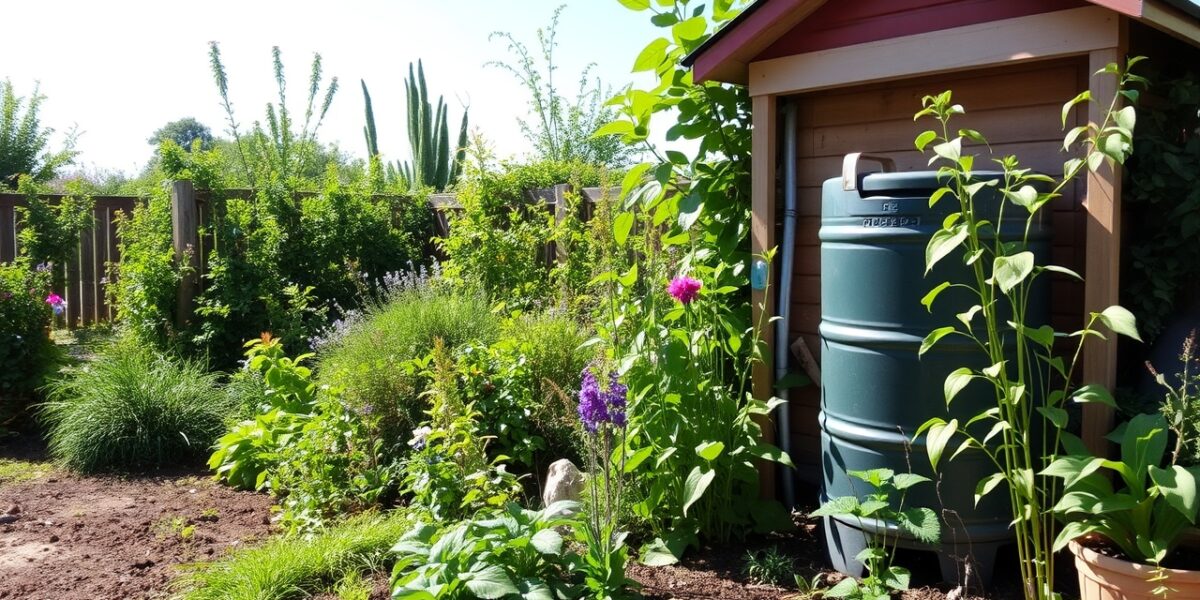
Welcome to the world of sustainable gardening, where every choice you make supports the planet, conserves resources, and yields a bountiful harvest. Whether you’re a seasoned green thumb or just starting out, this guide will walk you through the fundamentals, advanced techniques, and inspiring stories that demonstrate the power of gardening that respects nature.
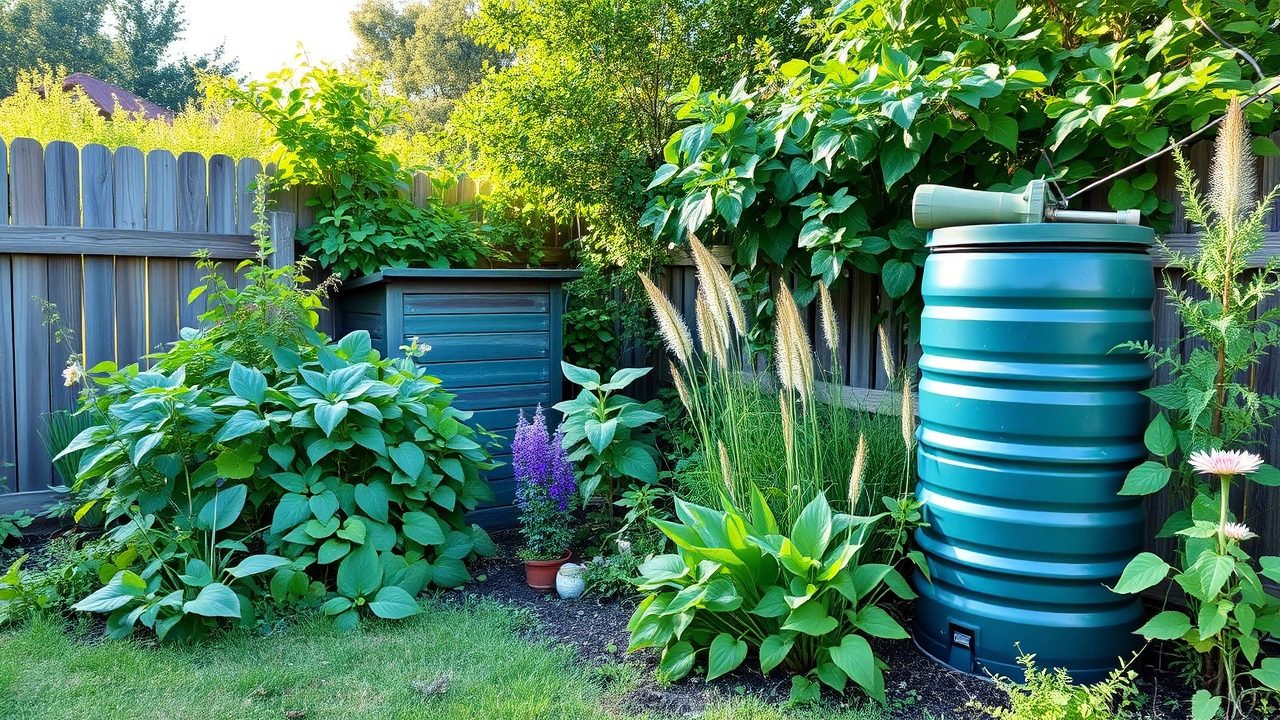
1. Why Sustainable Gardening Matters
Traditional gardening often relies on synthetic fertilizers, pesticides, and water-intensive practices that can harm ecosystems, deplete soil nutrients, and contribute to climate change. Sustainable gardening flips that paradigm by:
- Reducing chemical inputs and promoting natural pest control
- Enhancing soil health through organic matter and crop rotation
- Conserving water with rain barrels, mulch, and drip irrigation
- Supporting biodiversity with native plants and pollinator habitats
- Lowering your carbon footprint by sourcing seeds locally and minimizing transportation
By adopting these principles, you not only protect the environment but also enjoy healthier produce and a more resilient garden.



2. Building Healthy Soil from the Ground Up
Healthy soil is the foundation of any successful garden. Here’s how to create and maintain it:
2.1. Test Your Soil
Start with a soil test kit or send a sample to a local extension service. Knowing the pH, nutrient levels, and organic matter content will guide your amendments.
2.2. Add Organic Matter
Compost, well-rotted manure, leaf mold, and shredded bark enrich soil structure, improve water retention, and supply essential nutrients. Aim for at least 2–3 inches of organic material each year.
2.3. Practice Crop Rotation and Companion Planting
Rotating crops each season prevents nutrient depletion and breaks pest cycles. Companion planting—such as basil with tomatoes or marigolds with beans—can deter pests naturally.
2.4. Use Mulch Wisely
Mulch keeps the soil moist, suppresses weeds, and gradually adds organic matter as it breaks down. Choose organic mulches like straw, wood chips, or shredded leaves.
3. Water Conservation Techniques
Water is a precious resource, especially in drought-prone regions. These strategies help you use it efficiently.
3.1. Install a Rain Barrel
A rain barrel collects runoff from your roof, providing free, untreated water for irrigation. Position it beneath a downspout and connect it to a garden hose or drip system.
3.2. Implement Drip Irrigation
Drip systems deliver water directly to the root zone, reducing evaporation and runoff. They are especially effective for beds, containers, and vegetable rows.
3.3. Schedule Watering Wisely
Water early in the morning or late in the evening to minimize evaporation. Use a soil moisture meter or simply check the top inch of soil to gauge when it’s truly dry.
3.4. Choose Drought-Tolerant Plants
Native species and plants adapted to your climate require less water and thrive with minimal care. Examples include lavender, rosemary, and ornamental grasses.
4. Pest Management Without Pesticides
Integrated Pest Management (IPM) focuses on prevention, monitoring, and natural controls. Here’s how to keep pests at bay:
4.1. Encourage Beneficial Insects
Ladybugs, lacewings, and parasitic wasps prey on common garden pests. Plant flowers like dill, fennel, and yarrow to attract them.
4.2. Use Physical Barriers
Row covers, netting, and hand-picking are simple yet effective ways to protect crops from insects and birds.
4.3. Deploy Natural Predators
Introduce predatory beetles or nematodes to control aphids and rootworms. Many local nurseries offer these beneficial organisms.
4.4. Apply Organic Sprays
Neem oil, insecticidal soap, and garlic sprays are low-toxicity options that deter pests without harming the ecosystem.
5. Composting: Turning Waste into Gold
Composting transforms kitchen scraps, yard waste, and garden clippings into nutrient-rich fertilizer. Follow these steps for a successful compost pile:
- Balance Greens and Browns: Greens (food scraps, grass clippings) provide nitrogen; browns (leaves, straw) provide carbon.
- Maintain Moisture: The pile should feel like a damp sponge.
- Turn Regularly: Aerate the pile every 1–2 weeks to speed decomposition.
- Use a Compost Bin: A bin keeps the pile contained and reduces odors.
Once the material turns dark and crumbly, you have finished compost ready for your beds.
6. Container Gardening for Urban Spaces
Even a small balcony can host a thriving garden. Choose the right containers, soil mix, and plants to maximize space and yield.
6.1. Selecting Containers
- Material: Clay pots retain moisture but are heavy; plastic pots are lightweight and retain water better.
- Size: Larger pots allow deeper root systems; ensure adequate drainage holes.
6.2. Soil Mix
Use a light, well-draining potting mix. Add perlite or vermiculite for aeration.
6.3. Plant Choices
Herbs like basil, mint, and chives thrive in containers. For vegetables, consider dwarf tomato varieties or peppers.
7. Success Stories: Real Gardens Making an Impact
Reading about others’ journeys can inspire you to start or improve your own sustainable garden. Here are three compelling examples:
7.1. The Urban Rooftop Oasis
In Chicago, a community garden on a vacant rooftop transformed a concrete slab into a lush, edible landscape. Using rain barrels, composting, and native plants, the garden now feeds 30 families and provides a habitat for pollinators.
7.2. The Desert Green Thumb
In Phoenix, a homeowner turned a 200‑square‑foot yard into a drought‑resistant paradise. By planting succulents, native grasses, and installing a drip irrigation system powered by solar panels, they reduced water usage by 70% while growing fresh herbs and vegetables.
7.3. The Schoolyard Garden Initiative
At a rural school in Oregon, students planted a florets garden using composted cafeteria scraps. The project teaches biology, nutrition, and sustainability, and the produce is sold at the school lunch line, generating funds for further projects.
8. Planning Your Own Sustainable Garden
Start with a clear plan. Here’s a step-by-step approach:
8.1. Assess Your Site
- Sunlight: Measure hours of direct sun per day.
- Soil: Test pH and nutrients.
- Water Access: Identify existing drainage and potential rainwater capture.
- Space: Map out available square footage or container area.
8.2. Choose a Design Theme
Decide whether you want a formal raised bed layout, a naturalistic meadow, or a container garden. Each has its own maintenance requirements and aesthetic.
8.3. Select Plants Wisely
- Match plants to your climate zone**, ensuring they are hardy and require minimal care.
- Include a mix of perennials and annuals to maintain year-round color and yield.
- Plan for companion planting to deter pests and enhance growth.
8.4. Implement Sustainable Practices
From the start, incorporate composting, rainwater harvesting, drip irrigation, and native plant selection. These practices will reduce ongoing maintenance and environmental impact.
9. Common Challenges and How to Overcome Them
Even the most well-intentioned garden can face obstacles. Here are some common issues and practical solutions:
- Pest outbreaks: Rotate crops, use row covers, and invite beneficial insects.
- Water scarcity: Install a rain barrel, use mulch, and opt for drought-tolerant species.
- Soil compaction: Add organic matter, avoid heavy foot traffic, and consider raised beds.
- Weed invasion: Keep mulch deep, hand-pull, and use natural weed suppressants like clover.
10. Resources and Further Learning
To deepen your knowledge, explore the following:
- Local cooperative extension services: They offer free workshops and soil testing.
- Books: “The Permaculture Handbook” by Peter Bane and “All New Square Foot Gardening” by Mel Bartholomew.
- Online communities: Reddit’s r/gardening, Facebook groups for urban gardeners.
- Apps: “Garden Planner” for layout design, “Plantix” for pest identification.
11. Conclusion: Your Garden, Your Planet
Adopting sustainable gardening practices is a powerful way to contribute to ecological health while enjoying fresh, flavorful produce. By building healthy soil, conserving water, managing pests naturally, and engaging with your community, you can create a garden that thrives and inspires. Start today, and watch your green space transform into a vibrant, resilient ecosystem that benefits both you and the planet.
Happy gardening, and may your roots grow deep and your harvests plentiful!
For further reading, see related references on Wikipedia.
Leave a Reply