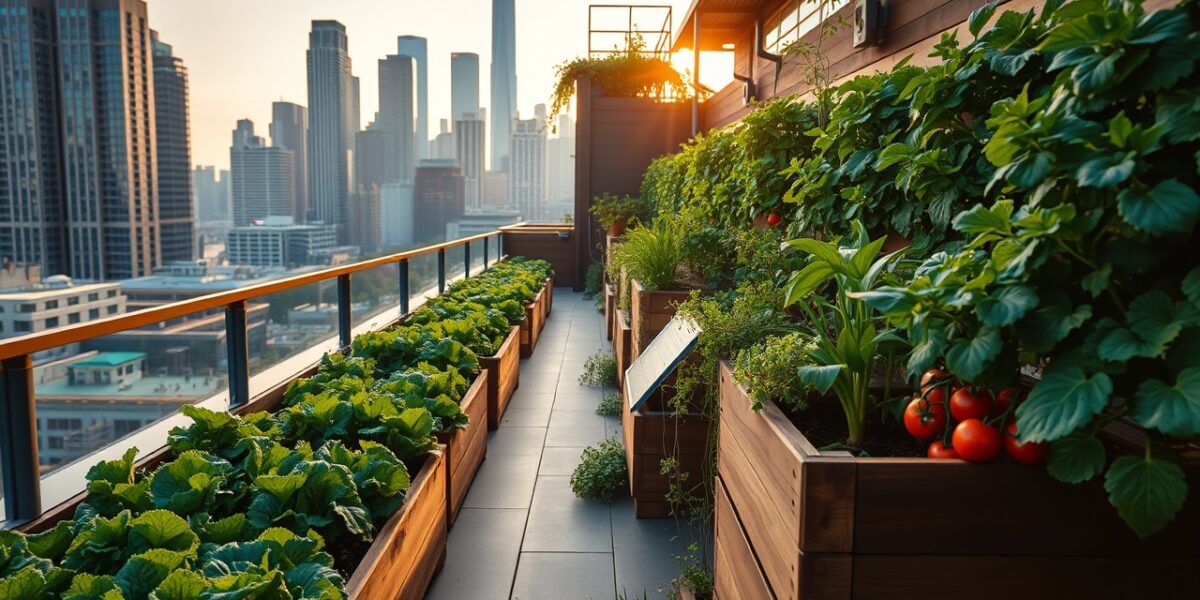
Introduction to the Urban Agricultural Revolution
In an era of rapid urbanization and increasing climate instability, the concept of the ‘concrete jungle’ is undergoing a radical transformation. Sustainable urban gardening is no longer just a hobby for those with a green thumb; it is a critical movement toward food security, mental well-being, and environmental restoration. By converting balconies, rooftops, and abandoned lots into productive edible landscapes, city dwellers are reclaiming their relationship with the earth.
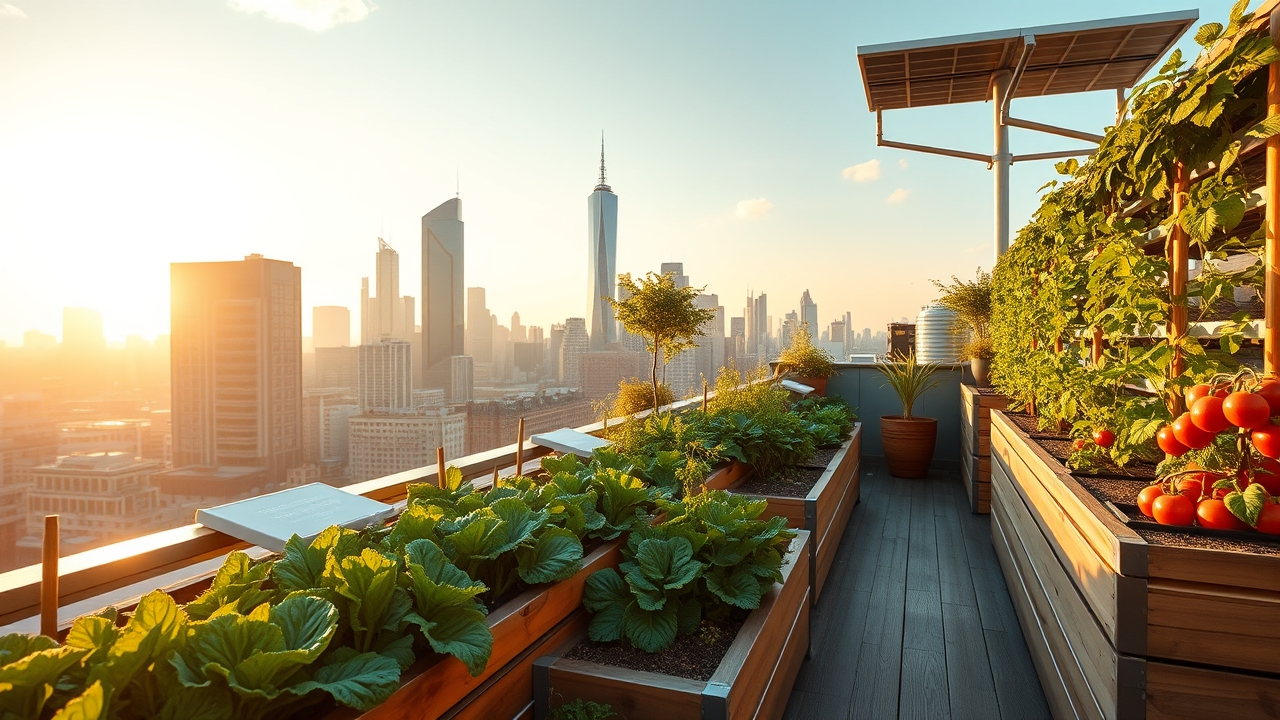
The challenge of urban gardening lies in the constraints: limited space, poor soil quality, and restricted access to sunlight. However, these constraints breed innovation. From the high-tech precision of hydroponics to the ancient wisdom of companion planting, the tools available to the modern urban gardener are more diverse than ever before.
The Core Principles of Sustainability in the City
To be truly ‘sustainable,’ an urban garden must do more than just produce food; it must operate within a closed-loop system that minimizes waste and maximizes resource efficiency. The three pillars of sustainable urban gardening are resource conservation, biodiversity enhancement, and waste reduction.



1. Water Management and Conservation
Water is a precious resource in urban environments. Traditional hose-watering is often wasteful. Sustainable gardeners employ several strategies to reduce their water footprint:
- Rainwater Harvesting: Installing rain barrels to collect runoff from roofs reduces reliance on municipal treated water.
- Drip Irrigation: Using porous hoses or emitters that deliver water directly to the root zone reduces evaporation and prevents fungal diseases on foliage.
- Self-Watering Containers: Sub-irrigation planters (SIPs) use a reservoir at the bottom, allowing plants to wick up water as needed, which prevents overwatering and saves time.
2. Soil Health and Organic Nutrient Cycling
Urban soil is often contaminated with heavy metals or depleted of nutrients. The solution is to build ‘living soil’ through organic amendments. Composting is the heartbeat of a sustainable garden. By turning kitchen scraps and cardboard into ‘black gold,’ gardeners reduce landfill waste and eliminate the need for synthetic chemical fertilizers.
Vermicomposting (using worms) is particularly effective for apartment dwellers. A small bin under the sink can process a surprising amount of organic matter, producing nutrient-dense castings that act as a slow-release fertilizer for potted plants.
Maximizing Small Spaces: Vertical and Intensive Gardening
When horizontal space is unavailable, the only way to grow is up. Vertical gardening is the cornerstone of high-yield urban agriculture.
Vertical Systems
There are several ways to implement verticality: Trellising for climbing plants like peas, cucumbers, and pole beans; Wall-mounted pockets for herbs and leafy greens; and Tower gardens, which use aeroponics to grow dozens of plants in a small footprint.
Square Foot Gardening
Developed to maximize efficiency, the Square Foot Gardening (SFG) method involves dividing a raised bed into small squares (usually 1×1 foot). Each square is planted with a specific number of plants based on their size. This prevents overcrowding, reduces weed growth, and ensures that every inch of soil is productive.
Advanced Urban Technologies: Hydroponics and Aquaponics
For those with zero access to soil, soil-less growing methods offer a futuristic alternative. These systems are often more water-efficient than traditional gardening because water is recirculated.
Hydroponics
Hydroponics involves growing plants in a nutrient-rich water solution. Common systems include:
- Deep Water Culture (DWC): Roots are submerged in oxygenated nutrient water.
- Nutrient Film Technique (NFT): A thin film of nutrient water flows over the roots.
- Ebb and Flow: The grow bed is periodically flooded and then drained.
Aquaponics
Aquaponics takes sustainability a step further by combining aquaculture (raising fish) with hydroponics. The fish waste provides the organic nutrients for the plants, and the plants filter the water for the fish. This creates a symbiotic ecosystem that mimics natural ponds, producing both protein (fish) and produce (vegetables) in one system.
Choosing the Right Crops for the Urban Environment
Not all plants thrive in city conditions. Success depends on analyzing your ‘microclimate’—the specific light, wind, and temperature conditions of your space.
Low-Light Options
If your balcony is shaded by neighboring buildings, focus on leafy greens and root vegetables. Spinach, kale, lettuce, and Swiss chard can thrive in partial shade. Mint and parsley are also resilient options for lower-light areas.
High-Sun Powerhouses
South-facing rooftops are ideal for ‘heat-loving’ crops. Tomatoes, peppers, eggplants, and zucchini require at least 6-8 hours of direct sunlight to produce fruit. These plants also benefit from the heat-sink effect of concrete buildings, which can extend the growing season into late autumn.
The Role of Pollinators
A sustainable garden must support local wildlife. Planting native flowers—such as marigolds, lavender, and sunflowers—attracts bees and butterflies, which are essential for pollinating fruiting crops. Without pollinators, your tomato plants will produce flowers but no fruit.
Overcoming Urban Challenges: Pests and Pollution
Urban gardening comes with a unique set of hurdles. From aphids to smog, the city environment can be harsh.
Integrated Pest Management (IPM)
Avoid chemical pesticides, which kill beneficial insects and contaminate the urban watershed. Instead, use IPM strategies:
- Companion Planting: Planting basil next to tomatoes repels pests and improves flavor.
- Biological Controls: Introducing ladybugs or lacewings to control aphid populations.
- Physical Barriers: Using floating row covers to protect young seedlings from insects.
Dealing with Air Pollution
Plants in high-traffic areas can accumulate particulate matter on their leaves. Regularly misting your plants with water helps keep stomata clear, allowing the plant to breathe and photosynthesize more efficiently. Furthermore, choosing hardy species with thick, waxy leaves can help the plants withstand urban pollutants.
The Psychological and Social Impact of Urban Greening
Beyond the harvest, sustainable urban gardening provides profound psychological benefits. The practice of ‘therapeutic horticulture’ has been shown to reduce cortisol levels, alleviate anxiety, and combat the loneliness often felt in densely populated cities.
Moreover, urban gardens often evolve into community hubs. Community gardens foster social cohesion, allowing neighbors from diverse backgrounds to share knowledge, seeds, and harvests. These spaces become ‘outdoor classrooms’ where children learn where their food comes from, fostering a new generation of environmentally conscious citizens.
Conclusion: Planting the Seeds of the Future
Sustainable urban gardening is more than a trend; it is a necessary adaptation to a changing world. By integrating smart water management, organic soil practices, and vertical innovation, we can transform our cities from passive consumers of resources into active producers of life. Whether you have a sprawling rooftop or a single windowsill, every plant contributes to a cooler, cleaner, and more resilient urban future. The journey toward food sovereignty begins with a single seed, planted in a pot, in the heart of the city.
For further reading, see related references on Wikipedia.
Leave a Reply