
Mastering Digital Marketing Strategy: A Comprehensive Guide for 2026
Introduction
By 2026, digital marketing has transcended traditional channels and become a complex ecosystem of data, AI, and immersive experiences. Brands that thrive will not only consume the latest tools but also weave them into a coherent strategy that aligns with business objectives and audience expectations. This guide offers a step‑by‑step framework for building a future‑proof digital marketing strategy, covering research, planning, execution, measurement, and continuous improvement.
1. Foundations: Define Your Purpose and Audience
Every successful strategy starts with clarity. Ask yourself:
- What is the primary business goal? (Revenue, brand awareness, lead generation, customer retention)
- Who is the target audience? (Demographics, psychographics, digital behavior)
- What value proposition differentiates your brand?
Use the SMART framework to set Specific, Measurable, Achievable, Relevant, and Time‑bound objectives. For example, “Increase qualified leads from LinkedIn by 25% in Q4 2026.”



2. Data‑Driven Insight: Leverage Advanced Analytics
Data is the lifeblood of modern marketing. In 2026, the most powerful analytics platforms combine:
- Real‑time event tracking across web, mobile, and IoT devices.
- AI‑driven attribution that accounts for cross‑device, cross‑channel touchpoints.
- Predictive modeling to forecast funnel performance and churn.
Tools such as Google Analytics 4, Adobe Experience Platform, and Snowplow provide the foundation. Augment them with AI layers like Segment’s AI Engine or Amplitude’s Predictive Analytics to surface actionable insights.
3. Content Strategy: Personalization at Scale
Personalization is no longer a nice‑to‑have; it’s a must‑have. AI models can generate hyper‑personalized copy, images, and product recommendations in real time. Key tactics include:
- Dynamic content blocks that adapt to user intent and context.
- AI‑generated micro‑copy for push notifications and email subject lines.
- Behavioral segmentation that goes beyond demographics to include intent signals and purchase history.
Remember to balance automation with human oversight. Use content governance frameworks to maintain brand voice and compliance across automated outputs.
4. Channel Mix: From Meta to Metaverse
The channel landscape in 2026 is broader than ever. While Meta, Google, and TikTok remain dominant, emerging platforms like Meta Horizon Worlds, Snap’s AR Lens Studio, and Discord’s brand partnerships offer unique engagement opportunities.
Allocate budget based on:
- Audience presence and engagement rates.
- Platform monetization models (cost per click, cost per acquisition, or brand lift).
- Creative fit (short‑form video, 3D experiences, interactive stories).
Build a cross‑channel framework that aligns creative assets, messaging, and measurement across platforms.
5. Automation & Orchestration: AI‑Powered Workflows
Automation reduces manual effort and speeds time‑to‑market. Key components:
- Marketing automation platforms (HubSpot, Marketo, Braze) for lead nurturing.
- AI‑driven campaign orchestration tools (Adobe Campaign, Blueshift) that trigger actions based on real‑time signals.
- Chatbots and voice assistants powered by GPT‑4 or Claude for 24/7 customer engagement.
Integrate these tools via API‑first architecture to ensure data flows seamlessly between CRM, analytics, and creative platforms.
6. Creative Innovation: Immersive & Interactive Experiences
Immersion is the new engagement. Consider:
- AR filters that let users try products virtually.
- VR showrooms that provide a 360° product tour.
- Interactive video ads that change storyline based on viewer choices.
Invest in a design system that supports modular, responsive, and accessible components across devices.
7. Measurement & Optimization: Continuous Improvement Loop
Measurement is the engine that drives optimization. Hearing from the data, iterate quickly:
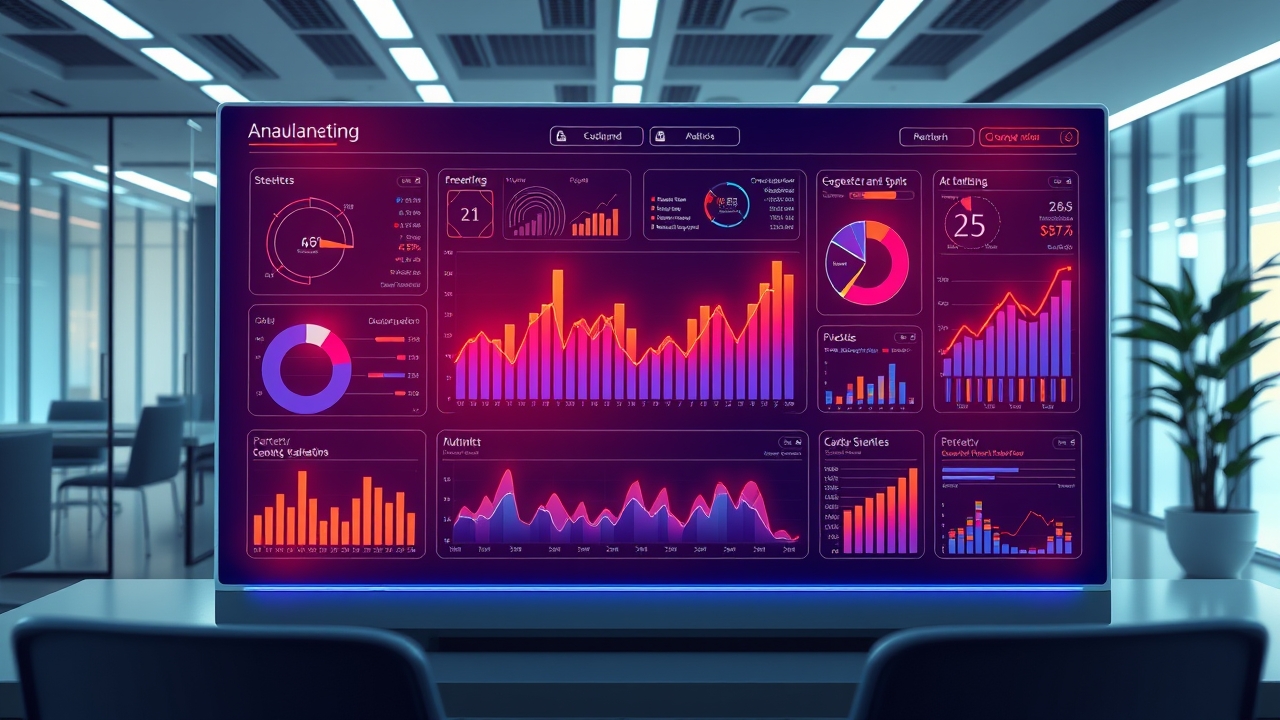
- Set up real‑time dashboards that display key metrics (CTR, conversion rate, CAC, LTV).
- Use AI to run multivariate tests on creative, messaging, and placement.
- Apply the RACE framework (Reach, Act, Convert, Engage) to map funnel stages and identify bottlenecks.
Document insights in a knowledge base to inform future campaigns and share learnings across teams.
8. Compliance & Trust: Navigating Privacy & Ethics
Regulations like GDPR, CCPA, and the upcoming EU Data Governance Act demand rigorous compliance. Best practices include:
- Implementing privacy‑by‑design in data collection and processing.
- Using consent management platforms that provide granular control.
- Ensuring AI models are transparent, explainable, and free from bias.
Build a trust score metric that tracks brand perception, data security incidents, and consumer sentiment.
9. Talent & Culture: Building a Future‑Ready Team
People are the most valuable asset. Foster a culture that embraces:
- Continuous learning and upskilling in AI, data science, and creative tech.
- Cross‑functional collaboration between marketing, product, engineering, and data teams.
- Agile methodologies that allow rapid experimentation and iteration.
Invest in tools that support remote collaboration, such as Figma for design, Notion for knowledge sharing, and Slack for real‑time communication.
10. Future Outlook: Trends to Watch in 2027 and Beyond
While this guide focuses on 2026, staying ahead means anticipating the next wave:
- AI‑generated content that is indistinguishable from human writing.
- Decentralized social networks that prioritize user ownership of data.
- Quantum computing breakthroughs that enable hyper‑personalized real‑time bidding.
- Environmental sustainability metrics becoming core KPIs for brand reputation.
Incorporate these emerging trends into your long‑term roadmap to ensure your strategy remains relevant.
Conclusion
Mastering digital marketing in 2026 requires a holistic, data‑driven approach that blends AI, immersive technology, and ethical practices. By defining clear objectives, leveraging advanced analytics, personalizing content at scale, orchestrating cross‑channel campaigns, and continuously measuring performance, brands can not only survive but thrive in the digital frontier. Embrace the tools, adopt the mindset, and build a culture that turns data into insight and insight into action.
For further reading, see related references on Wikipedia.
Leave a Reply