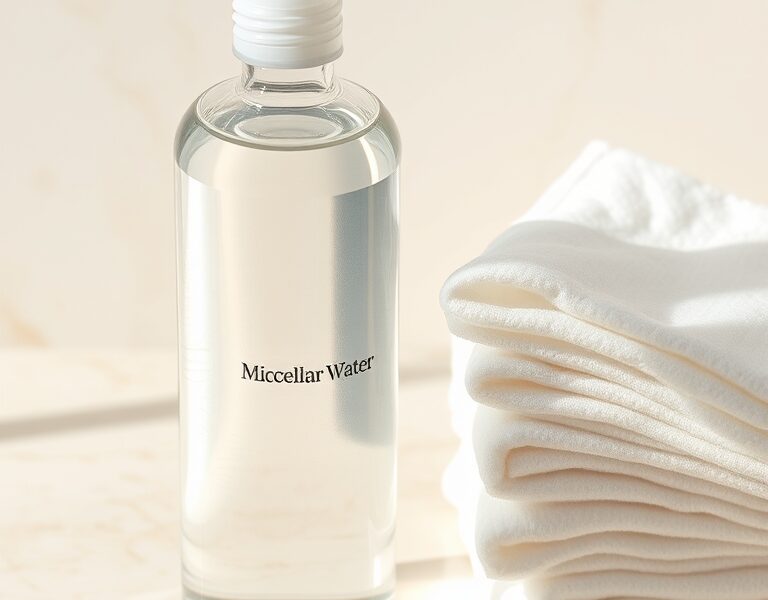
When your skin reacts to the slightest hint of fragrance or even the scent of a fresh laundry detergent, every cleansing routine feels like a gamble. I’ve spent years learning which products leave me feeling tight and irritated and which ones let me breathe. The breakthrough came when I discovered micellar water—a gentle, science‑backed solution that pulls away dirt and makeup without the need for scrubbing.
What Exactly Is Micellar Water?
Micellar water is a clear solution of tiny, spherical molecules called micelles. Think of them as microscopic magnets: the hydrophilic (water‑loving) tail faces outward, while the hydrophobic (oil‑loving) core grips sebum, makeup, and grime. When you saturate a cotton pad and press it against your skin, the micelles latch onto impurities and lift them away, leaving the surface clean and undisturbed.
Unlike foaming cleansers that rely on surfactants to create bubbles, micellar water uses a mild, non‑ionic surfactant—often Poloxamer 184—that is gentle enough for the eye area and skin barrier alike. It removes makeup in one swipe, no rinsing required, and it doesn’t alter the skin’s natural pH.


Why Sensitive Skin Needs a Specific Approach
Sensitive skin is a spectrum: some people flare with rosacea, others with eczema, and many simply can’t tolerate synthetic fragrances. A standard cleanser can strip the protective lipid film, leaving a “tight” sensation that signals a compromised barrier. That tightness invites environmental irritants, redness, and breakouts.
A micellar water that prioritizes soothing ingredients and avoids harsh surfactants reduces friction and the risk of triggering a flare. For those who struggle with “angry” skin, a single‑step, no‑rinse routine is often the most reliable.
Key Ingredients to Look For
When you skim a label, focus on components that hydrate, soothe, and maintain the barrier. Below are the ingredients that make a micellar water truly gentle for sensitive skin.
- Glycerin – A humectant that draws water into the epidermis, preventing the drying effect of surfactants.
- Panthenol (Pro‑Vitamin B5) – Calms inflammation, speeds barrier repair, and adds a subtle sheen.
- Poloxamer 184 – A mild, non‑ionic surfactant derived from polyethylene glycol; it’s the same component found in many ophthalmic solutions.
- Allantoin – A skin‑soothing agent that reduces redness and supports cell turnover.
- Niacinamide (optional) – At 2–5%, it can strengthen the barrier and reduce post‑cleanse redness.
Ingredients to Avoid at All Costs
Even a single irritant can derail a routine. Here’s a quick checklist for what to skip.
- Alcohols (denatured ethanol, isopropyl alcohol) – Evaporate quickly and strip moisture, leading to flaking.
- Fragrance/Parfum – The top cause of contact dermatitis; synthetic or “natural” scents can still trigger reactions.
- Harsh preservatives (e.g., parabens, phenoxyethanol in high concentrations) – They can irritate the skin and compromise the barrier.
- Essential oils (peppermint, citrus, eucalyptus) – These are potent irritants for compromised skin.
Is a No‑Rinse Cleanser Actually Effective?
Micellar water is marketed as a no‑rinse cleanser, and for most people that’s true. The surfactants are so mild that residual film is rarely a problem. However, if you notice a tacky feeling or mild itching after use, a quick splash of lukewarm water can wash away any trace of surfactant and give you that fresh, clean sensation.
For heavy makeup or waterproof sunscreen, a “hybrid” approach works best: use micellar water to lift the bulk of the product, then follow with a gentle, non‑foaming cream cleanser to remove any residual oil.
How to Use Micellar Water Without Irritating Your Skin
Technique matters as much as the formula. Follow these steps to keep irritation at bay.
Step 1: Choose the Right Pad
Skip the cheap cotton balls that scratch. Opt for large, multi‑layered cotton rounds or reusable bamboo pads. The larger surface area means fewer passes and less friction.
Step 2: Saturate Fully
Let the pad soak until it’s almost dripping. A saturated pad glides over the skin, allowing micelles to do the work instead of the pad rubbing against pores.
Step 3: The “Press and Hold” Technique
For stubborn eye makeup or lipstick, press the pad against the closed eyelid or lips for 10–15 seconds. The micelles need time to break down pigments before you swipe away.
Step 4: The Final Pass
Move from the center of your face outward with a fresh pad. If the pad still looks dirty, switch to a new one. Stop as soon as the pad comes away clean to avoid over‑cleansing.
Comparing Micellar Water to Other Sensitive Skin Cleansers
Micellar water isn’t the only option, but it occupies a unique niche in a sensitive‑skin routine.
Micellar Water vs. Cleansing Balms
Cleansing balms are excellent for removing waterproof makeup, but they can leave an oily residue that requires a second cleanse. Micellar water offers a lighter, faster cleanse that’s ideal for travel or a minimalist routine.
Micellar Water vs. Cream Cleansers
Cream cleansers hydrate and cleanse simultaneously, but they often require a sink and towel. Micellar water delivers the same gentle cleanse without the need for rinsing, and it avoids the harsh surfactants found in some pre‑moistened wipes.
Integrating Micellar Water into Your Full Routine
Think of micellar water as the opening act. If you wear sunscreen or makeup, start with micellar water to remove surface debris, then follow with a mild, non‑foaming cream cleanser to address the skin itself.
For a deeper cleanse, add a lightweight, fragrance‑free toner that contains niacinamide or centella asiatica. Finish with a serum and moisturizer that lock in moisture and reinforce the barrier.
To dive deeper into long‑term skin health, check out skincare habits for longevity—a guide that complements your cleansing routine with lifestyle tips.
Common Mistakes to Avoid
Even the gentlest formula can become a problem if misused. Here are the pitfalls I’ve seen most people fall into.
- Over‑cleansing – Wiping your face every two hours can strip the barrier. Stick to 2–3 times a day unless you have heavy makeup.
- Using the same pad for the entire face – This transfers dirt from one area to another. Use a fresh pad for each zone.
- Ignoring the patch test – Even fragrance‑free products can cause reactions. Test on your inner forearm for 24 hours before full application.
Final Thoughts on Choosing the Best Formula
The best micellar water for sensitive skin is less about brand hype and more about ingredient simplicity. Look for a pH of around 5.5, a short ingredient list, and a clear focus on soothing agents. When the product leaves your skin feeling clean, soft, and, most importantly, un‑irritated, you’ve found the right match.
Frequently Asked Questions
How do I choose the best micellar water for sensitive skin?
Seek fragrance‑free, alcohol‑free formulas enriched with glycerin, panthenol, or allantoin. Perform a patch test on your inner arm for 24 hours before full use.
Can I use micellar water on acne‑prone sensitive skin?
Yes. A non‑comedogenic, fragrance‑free micellar water will remove excess oil without clogging pores. Rinse with lukewarm water afterward to ensure no residue remains.
Is micellar water better than makeup wipes?
Micellar water is gentler because it uses a mild surfactant rather than the harsher detergents found in many wipes. It also avoids the preservatives that can irritate sensitive skin.
Do I need to use a second cleanser after micellar water?
For light makeup or sunscreen, a single micellar cleanse is sufficient. If you wear heavy, waterproof makeup, a second gentle cleanse will remove any lingering residue and improve serum absorption.
Can micellar water dry out my skin?
Only if it contains alcohol or strong detergents. High‑quality micellar waters for sensitive skin include humectants like glycerin to maintain moisture.
Leave a Reply