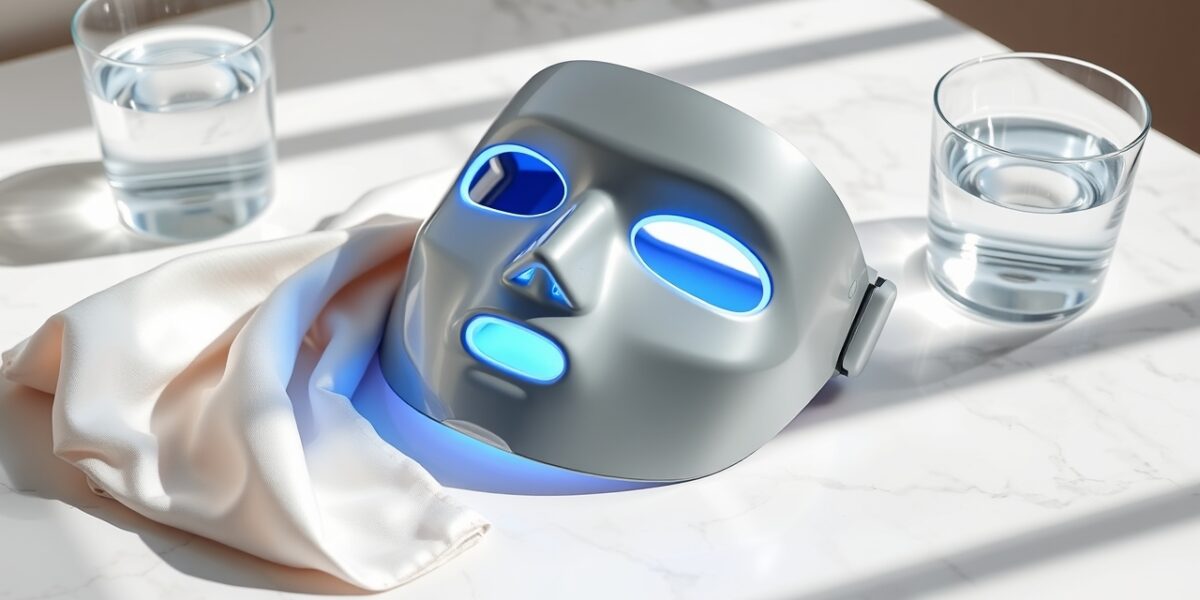
When I first started exploring LED therapy, I was drawn by the promise of a non‑invasive facelift that could fit into a nightly routine. The market is now flooded with devices that shout “anti‑aging” from their packaging, but the real question is: which one actually delivers the science‑backed results you’re looking for?
How LED Light Therapy Actually Works
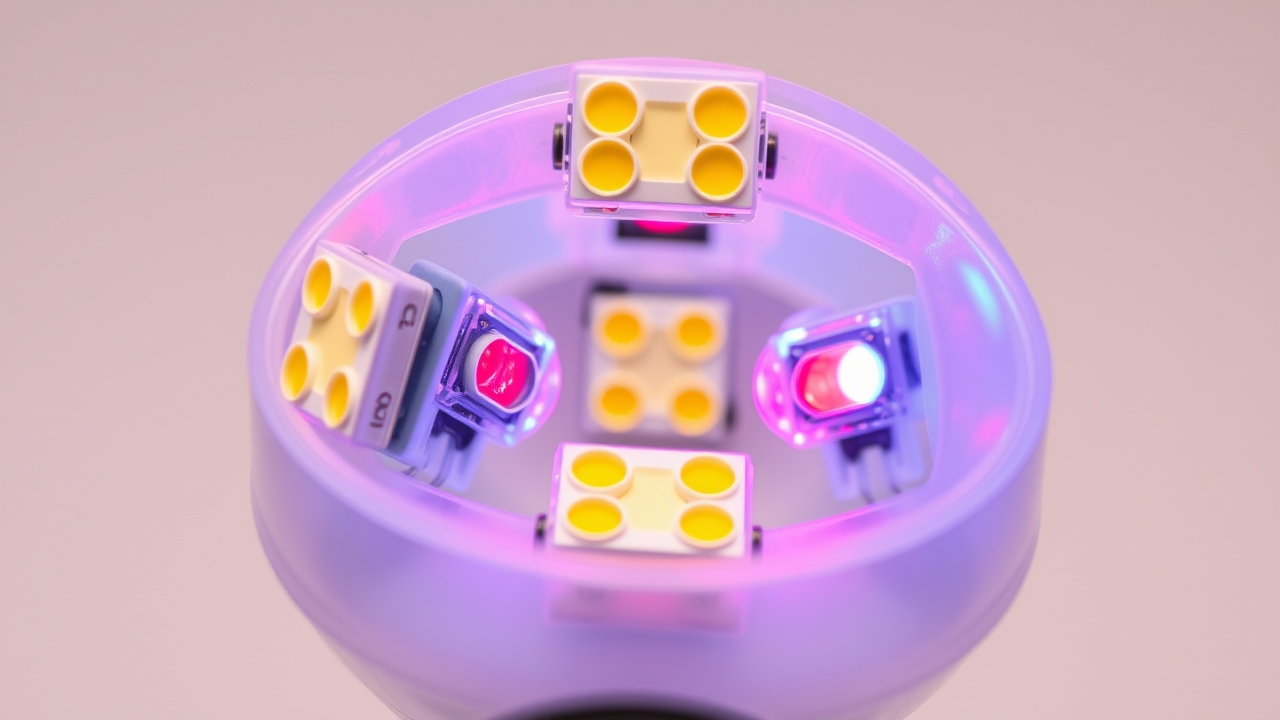
LED therapy isn’t a magic wand; it’s a precise application of light at specific wavelengths that nudges skin cells into a healthier state. Unlike ultraviolet rays that damage DNA, the wavelengths used in red and near‑infrared (NIR) light are absorbed by mitochondria, the powerhouses of the cell. This absorption boosts ATP production, which in turn fuels collagen synthesis and cell repair.
Red light, typically 630–660 nm, reaches the dermis where collagen and elastin fibers hang out. NIR light, around 830 nm, penetrates even deeper, calming inflammation and encouraging deeper tissue remodeling. Blue light (400–470 nm) is a different beast altogether, targeting surface bacteria and is most useful for acne, not for aging.


When you’re hunting for a mask that tackles fine lines, uneven tone, and volume loss, look for a dual‑wavelength device that combines red and NIR. That synergy means you’re treating both the surface and the deeper layers in one session.
Key Features of the Best LED Face Mask for Anti Aging
I evaluate masks on four pillars that translate directly into visible results: wavelength precision, irradiance, coverage, and comfort. A mask that touts “anti‑aging” but lists a vague 630 nm without a power rating is a red flag.
- Wavelength Accuracy: 633 nm or 660 nm for red, 830 nm for NIR. These are the industry standards that dermatologists recommend.
- Irradiance (Power Density): The number of lumens per square centimeter matters more than the sheer count of LEDs. A mask with 30 high‑intensity bulbs can outperform one with 100 low‑powered ones.
- Coverage: Full‑face coverage ensures that the forehead, cheeks, and chin receive the same dose. A partial mask can leave you with a patchy look.
- Material: Silicone masks conform to facial contours, keeping LEDs close to the skin and reducing light loss. Hard‑shell models can feel rigid and may not sit evenly on every face shape.
Comparing Types of LED Light Therapy Masks
There are three main styles, each suited to a different lifestyle.
1. Rigid Hard‑Shell Masks
These look like something straight out of a sci‑fi set. Their fixed LED spacing delivers a high output, but the rigid frame can be uncomfortable and may not fit all face shapes. They’re best for users who don’t mind a slightly firmer feel in exchange for maximum power.
2. Flexible Silicone Masks
Silicone is the gold standard for home use. The material hugs the jawline, nose, and cheekbones, ensuring a snug fit that keeps the LEDs close. Because the mask is flexible, it’s easier to clean and often comes cordless, making it ideal for a quick nightly routine.
3. Targeted LED Panels
Panels aren’t masks, but they’re great for treating larger areas like the neck, décolletage, and even the chest. If you’re battling tech‑neck or want a broader treatment area, a panel can complement a face mask perfectly.
Step‑by‑Step Guide: Using Your Anti‑Aging Device
Below is a routine that has worked for me and the dermatologists I’ve consulted with. Consistency beats intensity.
Step 1: Cleanse Thoroughly. A clean canvas is essential; any residue can block light. I use a gentle, pH‑balanced cleanser that removes makeup, sunscreen, and oils without stripping the skin’s natural barrier.
Step 2: Pat Dry. Moisture can scatter light, reducing penetration. A quick pat with a clean towel dries the skin without rubbing it.
Step 3: Apply the Mask. Slide the mask on, aligning the LED array with your facial features. Most devices run for 10–20 minutes; I recommend 15 minutes, five times a week.
Step 4: Post‑Treatment Serums. After the light has done its work, the skin is primed for active ingredients. A hyaluronic acid serum or a peptide blend works wonders. Avoid heavy retinoids or AHAs immediately after the session; give the skin a moment to recover.
Potential Risks and Safety Considerations
While LED therapy is generally safe, it’s not a one‑size‑fits‑all solution. People with photosensitive conditions (e.g., lupus) or those on photosensitizing medications (certain antibiotics, isotretinoin) should consult a dermatologist before starting. Epileptics should also seek medical advice.
Eye protection is paramount. Even low‑intensity red light can be glaring. Most masks come with built‑in goggles, but if yours doesn’t, close your eyes or wear opaque glasses. For a deeper dive into how light interacts with skin, see Wikipedia.
Managing Expectations: What Results Actually Look Like
There’s no overnight facelift in a box, but the changes are cumulative. In my first two weeks, I noticed a subtle lift and a brighter complexion. Real improvements in fine lines and elasticity typically appear after 8–12 weeks of regular use.
Track progress by photographing yourself in the same lighting every two weeks. Focus on crow’s feet and nasolabial folds; you’ll see them look smoother and more plump as collagen ramps up.
Integrating LED Therapy into a Holistic Routine
Light therapy is a catalyst, not a stand‑alone solution. Your skin’s response is amplified by the building blocks you supply from the inside and the outside.
Nutrition: Vitamin C, proline, and glycine are the raw materials for collagen. Think citrus, leafy greens, and lean proteins. Without these nutrients, the LED is like a foreman without bricks.
Hydration: A good moisturizer locks in moisture and supports the barrier. If you’re looking for a broader lifestyle guide, check out our holistic skin care guide for more tips.
For a quick refresher on how to pair LED therapy with your nightly routine, visit automailify.com.
Comparing Red Light vs. Near‑Infrared Light
Red light (630–660 nm) is great for surface rejuvenation, targeting fine lines and pigmentation. Near‑infrared (830 nm) dives deeper, calming inflammation and encouraging deeper tissue remodeling. Dual‑wavelength masks give you both benefits in one session, which is why they’re the most popular for anti‑aging.
Common Mistakes to Avoid
1. Applying over heavy creams. Creams act as a barrier, reflecting light. Apply serums after the session.
2. Over‑using the device. More isn’t always better; stick to the manufacturer’s recommended schedule.
3. Ignoring the neck. The skin on the neck is thinner and ages faster. Use a handheld device or panel if your mask doesn’t cover it.
Final Verdict on Home LED Devices
Is a home LED mask worth it? If you want to maintain elasticity and brightness without monthly clinic visits, yes. The convenience of a home device outweighs the intensity of a professional session for most people, provided you stay disciplined.
The best led face mask for anti aging is the one that fits into your life: silicone for comfort, cordless for mornings, or a panel for the neck. The science is solid, and the results—while gradual—are rewarding for those who keep at it.
Frequently Asked Questions
What is the best led face mask for anti aging for beginners?
For newcomers, a flexible silicone mask is ideal. It’s comfortable, easy to clean, and delivers a consistent dose thanks to its snug fit.
How often should I use a red light face mask?
Most experts recommend 3–5 times per week. Daily use is safe for most skin types, but a couple of rest days help prevent over‑stimulation and let you gauge progress.
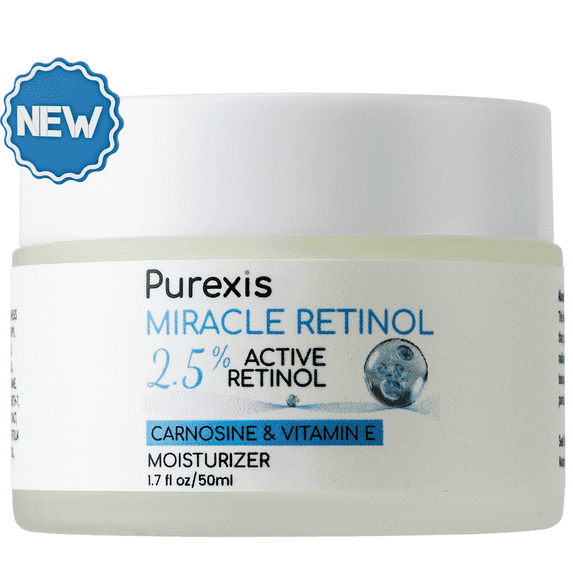
Can I use an anti aging device with Retinol?
It’s safest to run the LED first on clean skin, then apply retinol afterward. Using retinol before light therapy can heighten sensitivity and lead to redness.
How long does it take to see results from LED therapy?
Immediate glow comes from increased blood flow, but structural changes like fine lines usually take 8–12 weeks of consistent use. Patience is key.
Is LED light therapy safe for all skin types?
Yes, LED therapy is safe across Fitzpatrick skin types IV–VI, as it doesn’t generate heat like some lasers. Always perform a patch test or consult a dermatologist if you have extremely sensitive skin.
Leave a Reply