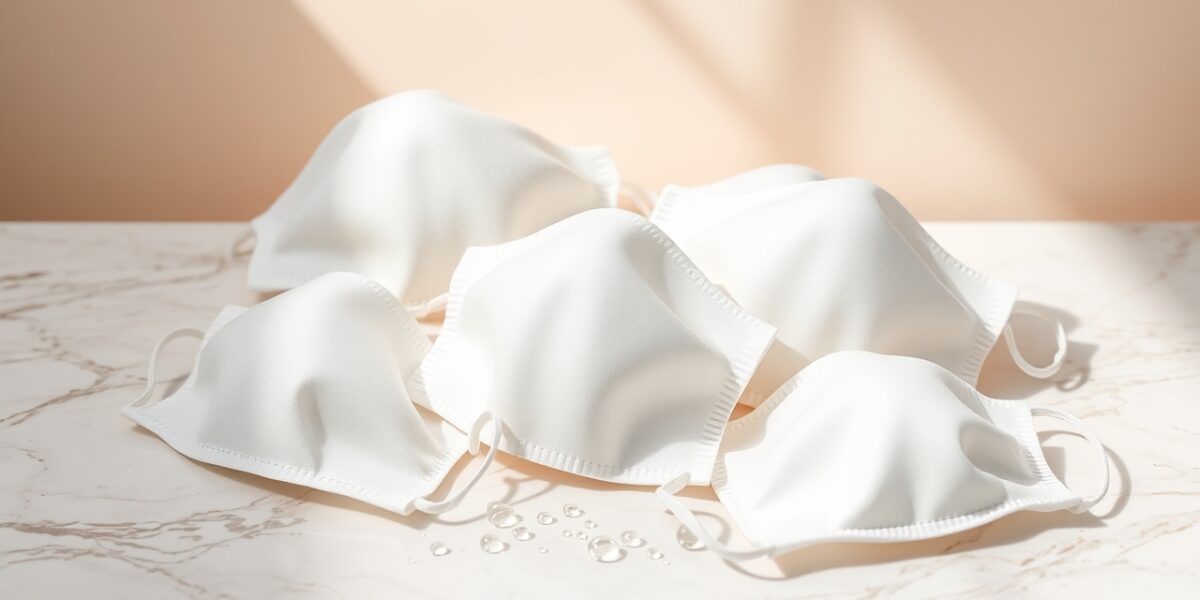
The best hydrating sheet masks for dry skin can turn a dull, tight complexion into a luminous, bouncy glow in just minutes. After years of experimenting with creams, gels, and serums, I’ve learned that a sheet mask’s unique ability to lock in a concentrated dose of moisture is a game‑changer for anyone whose skin feels like a desert.
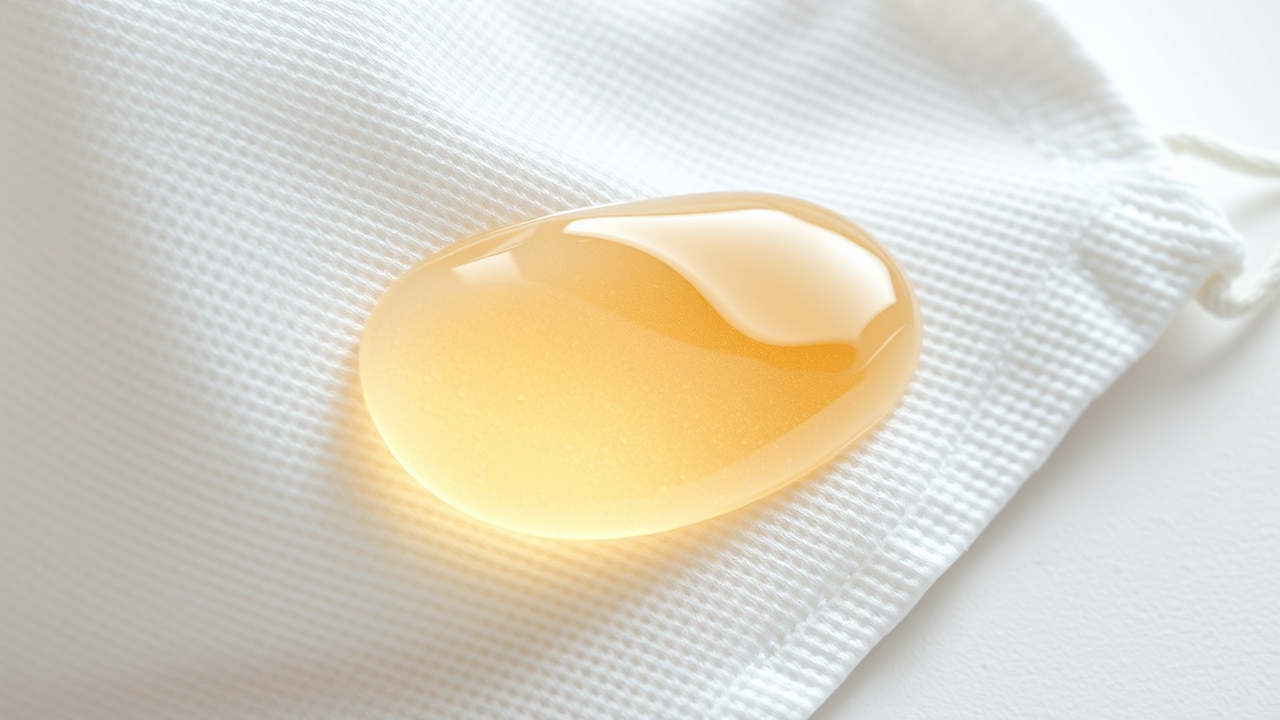
Why Dry Skin Calls for a Sheet Mask
Dry skin isn’t the same as dehydrated skin. While dehydrated skin is low on water, dry skin actually lacks the natural oils—sebum—that keep the skin’s barrier intact. Both conditions suffer from transepidermal water loss, but a sheet mask tackles the problem on two fronts: it delivers a flood of hydration and it seals it in.
When you wash your face, the skin’s surface is exposed to air, and the barrier can’t hold onto moisture. A sheet mask creates a physical shield that keeps the serum from evaporating, forcing the active ingredients to sink deep into the stratum corneum. For people with stubborn dry patches, this forced absorption can make the difference between a lifeless look and a plump, radiant finish.


Ingredient Radar: What to Spot
Not every mask is created equal. To truly benefit dry skin, look for a trio of ingredients that work together: humectants, emollients, and occlusives. Below is a quick guide to each category.
Humectants – The Water Magnet
- Hyaluronic Acid: The gold standard. It can hold up to 1,000 times its weight in water, drawing moisture from the air into your skin.
- Glycerin: A classic, reliable humectant that keeps skin soft and prevents further drying.
- Panthenol (Pro‑Vitamin B5): Attracts water while soothing irritation—a common side‑effect of dry skin.
Emollients – The Texture Smoother
Humectants pull water in, but emollients fill the gaps between skin cells. Look for:
- Ceramides: Lipids that rebuild the barrier and lock in moisture.
- Squalane: A lightweight oil that mimics the skin’s natural sebum without a greasy feel.
Occlusives – The Sealant
Oily or fatty alcohols create a protective layer that prevents the serum from draining away once you peel the mask off. A good seal keeps the benefits locked in for hours.
Choosing the Right Mask Material
The fabric can be just as important as the serum. Here’s how different materials perform on dry skin:
- Cotton: Soft and breathable, but can absorb too much serum, leaving less for the skin.
- Hydrogel: Solidified serum that clings tightly to the face, offering a cooling sensation ideal for inflamed skin.
- Bio‑cellulose: Derived from fermented coconut water, these sheets act like a second skin, pushing ingredients deep into the epidermis.
- Paper/Non‑woven: The most common and budget‑friendly, but they dry out quickly and may not hold serum as well.
Maximizing Your Mask Experience: A Step‑by‑Step Routine
Applying a mask is more than just slapping it on. Follow this routine to unlock the full potential of the best hydrating sheet masks for dry skin.
1. Double Cleanse
Start with an oil‑based cleanser to dissolve makeup and SPF, then rinse with a gentle, non‑foaming cleanser. This removes any barrier that could stop the serum from penetrating.
2. Gentle Exfoliation
Use a mild chemical exfoliant—like a PHA (polyhydroxy acid)—to clear away flakes without stripping the skin. A clean canvas lets the mask’s ingredients work deeper.
3. Hydrating Toner
Apply a hydrating toner to dampen the skin. A moist surface helps hyaluronic acid draw in water more efficiently.
4. Apply the Mask
Place the mask on the face, starting at the center and smoothing outward. Remove air bubbles with a fingertip or a clean cotton swab. For gaps around the nose or chin, use a small piece of gauze or a second tiny mask to seal the edges.
5. Seal the Serum
After 15–20 minutes, peel off the mask while it’s still slightly damp. Pat the remaining serum into the skin, then immediately follow with a rich moisturizer or a facial oil. This step locks in the hydration and prevents the water from evaporating.
Common Pitfalls to Dodge
Even seasoned users make mistakes that can sabotage a mask’s benefits:
- Leaving the mask on until it’s dry: A dried mask can pull moisture from the skin, a reverse osmosis effect. Remove it while it’s still damp.
- High alcohol or fragrance content: Dry skin is fragile. Check the ingredient list for “alcohol denat” or “fragrance/parfum” high up on the list.
- Rinsing off the serum: The purpose of a mask is to leave nutrients on the skin. If the serum feels sticky, pat it in or use a damp cotton pad to spread it evenly before moisturizing.
Integrating Masks Into a Weekly Routine
Over‑hydration can lead to congestion, so most people with dry skin find that two to three sessions per week work best. I reserve a deep‑moisture mask for Sunday nights to prep my skin for the week ahead.
On long flights, the cabin air can strip your skin of moisture. A sheet mask right after landing can help restore hydration, but remember to finish with a heavy cream to seal the benefits.
Sheet Masks vs. Other Hydration Methods
Why choose a sheet mask over a wash‑off mask or a sleeping pack? Each has its niche:
- Wash‑off masks: Great for detox or exfoliation, but they’re less concentrated.
- Sleeping packs: Provide overnight hydration but require a longer application time.
- Sheet masks: Deliver a high concentration of active ingredients in a short window, thanks to occlusion.
For the instant boost that dry skin craves, sheet masks are unbeatable. For more in‑depth information on skin anatomy, you can visit Wikipedia.
Customizing Your Mask Ritual
Small tweaks can amplify results:
- Refrigerate your masks: A cold sheet constricts blood vessels, reducing puffiness while hydrating.
- Use a silicone cover: Placing a silicone mask over a fabric sheet eliminates evaporation, ensuring every drop penetrates.
In my experience, these adjustments can nearly double the effectiveness of the best hydrating sheet masks for dry skin.
Beyond the Mask: Long‑Term Skin Health
Sheet masks are a powerful tool, but they’re only part of a holistic routine. Hydrate from the inside by drinking water, use a humidifier during winter, and choose gentle cleansers that preserve natural oils. For lifestyle tips that complement your skincare, check out automailify.com.
Keep a small journal of how each mask reacts with your skin. Note which ingredients leave you plump and which cause redness. Everyone’s skin chemistry is unique, so personalization is key.
Final Takeaway on Hydration
Finding the right hydrating sheet mask for dry skin boils down to understanding your skin’s needs. Whether you’re after deep water replenishment or barrier repair, look for hyaluronic acid, ceramides, and a good occlusive layer. Apply it correctly, seal it with a moisturizer, and you’ll transform flaky skin into a glowing canvas.
Frequently Asked Questions
How often should I use the best hydrating sheet masks for dry skin?
For most people, 2–3 times a week is ideal. Daily use can overwhelm the skin, especially if the mask contains heavy oils or exfoliating acids. Listen to your skin—if it feels plump and hydrated, you can dial back.
Can I use a moisture mask every day?
Yes, if the formula is gentle. Masks that rely solely on humectants like glycerin and hyaluronic acid and avoid harsh actives are safe for daily use. However, constant occlusion can lead to over‑hydration, making the skin feel overly soft or sensitive.
Is a sheet mask a better solution than a moisturizer?
They serve different purposes. A moisturizer is a daily staple that maintains the barrier, whereas a sheet mask is an intensive treatment that delivers a concentrated burst of hydration. Think of a moisturizer as your daily meal and a sheet mask as a nutrient‑dense supplement.
Why does my skin feel tight after I remove a sheet mask?
Two common reasons: first, if the mask dries out, it can pull moisture from your skin; second, if you skip the post‑mask moisturizer, the serum’s water evaporates quickly, taking some of your skin’s natural moisture with it. Always seal the serum with a cream.
Can I use a sheet mask on acne‑prone dry skin?
Absolutely. Many people have “dry‑acne” skin. Look for masks labeled “non‑comedogenic” and avoid heavy oils like coconut oil. Focus on lightweight humectants such as hyaluronic acid and soothing botanicals like centella asiatica or aloe vera to hydrate without clogging pores.
Leave a Reply