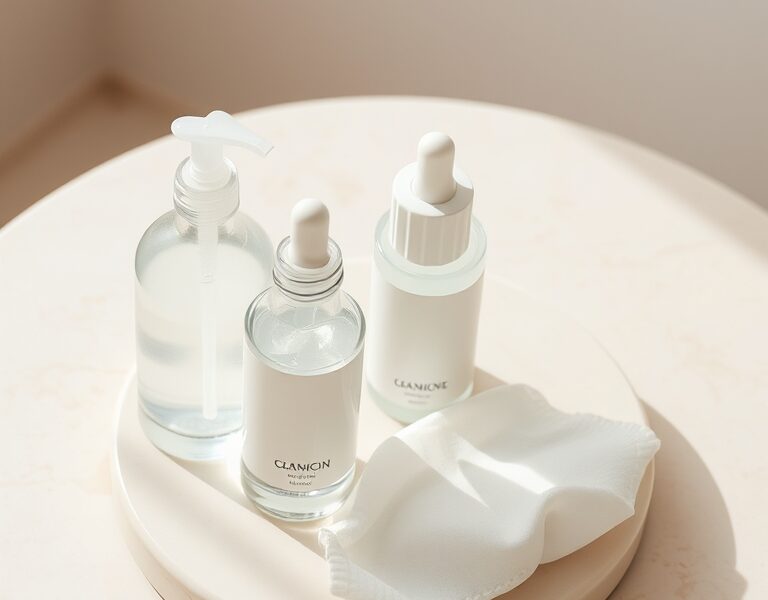
The best chemical exfoliant for beginners is one that balances effectiveness with a low risk of irritation. I remember the first time I tried a strong acid; I rushed into it without a patch test and spent a week dealing with a compromised skin barrier. That experience taught me that the goal of exfoliation isn’t to feel a “tingle” or a burn, but to gently encourage cell turnover for a smoother complexion.
Understanding Chemical Exfoliation
Before diving into product types, we need to clear up what chemical exfoliation actually is. Unlike physical scrubs—which use grains, beads, or brushes to manually scrub the surface—chemical exfoliants use acids or enzymes to dissolve the “glue” holding dead skin cells together. This allows the dead cells to shed more evenly.
For someone just starting, the sheer number of acronyms can be overwhelming. You will see AHA, BHA, and PHA everywhere. Each serves a different purpose depending on your skin type and the concerns you want to address, such as acne, fine lines, or dullness.


AHA BHA for Beginners: Breaking Down the Basics
When looking for a combination of AHA BHA for beginners, it is helpful to understand that these two categories of acids work in very different ways.
What are AHAs?
Alpha Hydroxy Acids (AHAs) are water-soluble acids. They work primarily on the surface of the skin. Because they stay on the surface, they are excellent for treating sun damage, surface-level pigmentation, and fine lines. Common examples include lactic acid and glycolic acid.
- Lactic Acid: A larger molecule than glycolic acid, making it penetrate more slowly and gently. It is often hydrating, making it a great choice for dry skin.
- Glycolic Acid: The smallest AHA molecule. It penetrates deepest and fastest, which makes it the most effective but also the most likely to cause irritation for new users.
- Mandelic Acid: An even larger molecule, often derived from bitter almonds, which is ideal for those with very sensitive skin or darker skin tones prone to post-inflammatory hyperpigmentation.
What are BHAs?
Beta Hydroxy Acids (BHAs), most commonly represented by Salicylic Acid, are oil-soluble. This is the critical difference. Because they can penetrate through oil, they can get inside the pores to clear out sebum and debris.
If you struggle with blackheads, enlarged pores, or oily skin, a BHA is usually the better starting point. They also possess anti-inflammatory properties, which can help calm redness associated with breakouts.
What are PHAs?
Polyhydroxy Acids (PHAs) are the “cousins” of AHAs. They have much larger molecular structures, meaning they barely penetrate the skin at all. They provide a very mild exfoliation and act as humectants, pulling moisture into the skin. If you have rosacea or extremely reactive skin, PHAs are the safest entry point.
Choosing a Glycolic Acid Starter
If you have decided that an AHA is right for you, finding a glycolic acid starter requires caution. Because glycolic acid is so potent, jumping into a high percentage can lead to over-exfoliation.
I suggest looking for a formulation where the glycolic acid is buffered or combined with soothing ingredients like aloe vera or glycerin. Instead of a high-strength peel, start with a low-percentage toner or a wash-off cleanser. A cleanser is particularly safe for beginners because the acid is only on the skin for 30 to 60 seconds before being rinsed away, significantly reducing the chance of a reaction.
How to Identify a Gentle Exfoliant
Not all acids are created equal. When shopping for a gentle exfoliant, look at the ingredient list and the concentration. For a beginner, a BHA concentration of 0.5% to 2% is standard, while AHAs should ideally start under 5% or 10% depending on the specific acid.
Avoid products that claim “instant results” or “professional strength” at home. These often contain high percentages of acids that can cause chemical burns if not used by a trained professional. Instead, prioritize formulas that include:
- Hyaluronic acid for hydration.
- Centella Asiatica or Allantoin for soothing.
- Ceramides to support the skin barrier.
The Step-by-Step Beginner Guide to Application
Applying your first chemical exfoliant is where most people make mistakes. To avoid the dreaded “purge” or irritation, follow this structured approach.
Step 1: The Patch Test
Never apply a new acid to your entire face immediately. Apply a small amount to the inside of your wrist or behind your ear. Wait 24 hours to ensure you don’t have an allergic reaction or extreme sensitivity.
Step 2: Start Slowly (The “Slow-In” Method)
Do not use your exfoliant every day. Start with once a week. If your skin handles that well for two weeks, move to twice a week. Most beginners find that 2-3 times a week is the “sweet spot” for maintaining a glow without damaging the skin barrier.
Step 3: Application Order
Generally, chemical exfoliants should be applied to clean, dry skin. Applying acids to damp skin can actually increase penetration, which sounds good but often leads to irritation for beginners. After applying the exfoliant, wait a few minutes for it to absorb before applying your moisturizer. You can find more tips on building a full routine through our skincare resource guides.
Step 4: The Sunscreen Mandate
This is the most important rule. AHAs, in particular, increase your skin’s sensitivity to UV rays. If you exfoliate at night but skip sunscreen the next morning, you are essentially inviting sun damage and dark spots onto your skin. A broad-spectrum SPF 30 or higher is non-negotiable.
Common Mistakes to Avoid
I have seen many people ruin their skin progress by over-doing it. Here are the red flags to watch for.
Mixing Too Many Actives
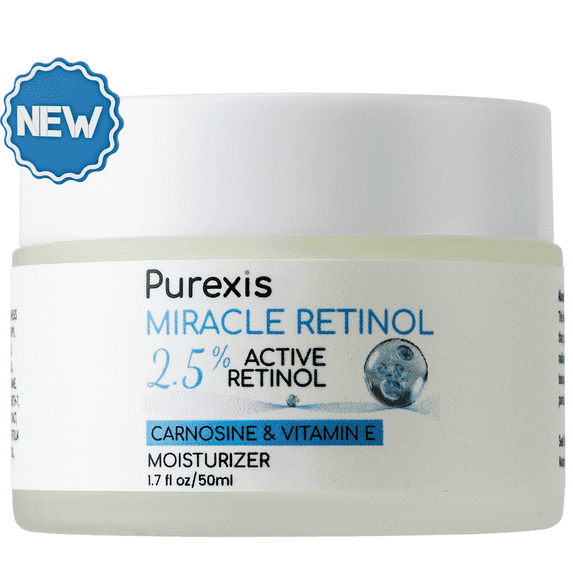
Do not use a chemical exfoliant in the same routine as Retinol or high-strength Vitamin C. Using these together can strip the skin, leading to redness, peeling, and breakouts. Instead, use a “skin cycling” approach: Night 1 for exfoliation, Night 2 for retinoids, and Nights 3 and 4 for recovery and hydration.
Ignoring the “Purge” vs. “Breakout”
When you start using a BHA, you might notice more pimples. This is often “purging.” Because BHAs clear out the pores, they push existing congestion to the surface faster. Purging usually happens in areas where you normally break out and resolves within 4-6 weeks. However, if you see red bumps in new areas or feel an intense itch, that is a breakout or reaction, and you should stop immediately.
Over-Exfoliating
How do you know if you’ve gone too far? Look for these signs:
- Skin that looks “plastic-y” or overly shiny but isn’t oily.
- Stinging when you apply a basic, bland moisturizer.
- Increased sensitivity to wind or temperature.
- Unexpected dryness and flaking.
If this happens, stop all actives immediately and focus on a basic cleanser and a thick ceramide cream for two weeks.
Matching the Exfoliant to Your Skin Type
To help you narrow down the best chemical exfoliant for beginners, I’ve categorized the best choices by skin concern.
Oily and Acne-Prone Skin
Focus on BHAs. Salicylic acid is the gold standard here. It cuts through the oil and prevents the pore from clogging in the first place. If you have very oily skin, a liquid exfoliant applied with a cotton pad can help remove excess surface oil while treating the pores.
Dry and Dull Skin
Stick with AHAs, specifically lactic acid. Lactic acid is a humectant, meaning it helps the skin hold onto water while it removes dead cells. This prevents the “tight” feeling often associated with exfoliation. If you are very dry, try an exfoliating cream rather than a toner.
Combination Skin
You may benefit from “multi-exfoliating.” This means applying a BHA to your oily T-zone (forehead, nose, chin) and a gentle AHA or PHA to your drier cheeks. This tailored approach ensures each area of your face gets exactly what it needs.
Sensitive Skin
PHAs are your best friend. If you find that even low-percentage lactic acid causes redness, switch to gluconolactone or lactobionic acid. These provide a very subtle glow without the risk of irritation.
Long-Term Maintenance and Expectations
Chemical exfoliation is a marathon, not a sprint. You won’t wake up with glass skin after one application. Most people notice a difference in skin texture after about 4 weeks of consistent, gentle use. Over several months, you may notice a reduction in the appearance of pores and a more even skin tone.
As your skin builds a tolerance, you might feel tempted to increase the strength. Be careful. Just because your skin “can handle” a 30% acid peel doesn’t mean it “needs” it. Many people find that a low-percentage, consistent routine is far more sustainable and healthier for the skin barrier in the long run than occasional high-intensity treatments.
Summary Table for Quick Reference
To make your decision easier, here is a quick breakdown of the options we discussed.
- For Blackheads/Oil: BHA (Salicylic Acid) – Oil soluble, pore-deep.
- For Brightening/Texture: AHA (Lactic or Glycolic Acid) – Water soluble, surface-level.
- For Extreme Sensitivity: PHA (Gluconolactone) – Large molecule, very gentle.
- For First-Timers: Wash-off exfoliants or PHAs.
Frequently Asked Questions
What is the best chemical exfoliant for beginners with sensitive skin?
For those with sensitive skin, PHAs (Polyhydroxy Acids) are generally the best choice. Because they have a larger molecular size, they penetrate the skin more slowly and cause significantly less irritation than AHAs or BHAs. Lactic acid is another gentle AHA option that provides hydration alongside exfoliation.
Can I use a chemical exfoliant every day?
While some very gentle formulas are designed for daily use, it is not recommended for beginners. Starting once or twice a week allows your skin to build tolerance. Over-exfoliating can damage your skin barrier, leading to increased sensitivity and breakouts.
Do I need to neutralize chemical exfoliants?
Most over-the-counter products are “self-neutralizing” or designed to stay on the skin. However, if you are using a high-strength professional peel, you may need a neutralizing solution. Always read the product instructions carefully to see if it is a “leave-on” or “wash-off” formula.
Will chemical exfoliants make my skin purge?
Yes, it is possible, especially with BHAs. Purging occurs when the acid speeds up cell turnover, pushing existing clogs to the surface. This is different from a breakout caused by a product you are allergic to. Purging usually happens in your usual problem areas and should subside within a month.
Can I use AHAs and BHAs together?
Yes, but it depends on the formulation. Many products combine both in one bottle, which is balanced for safety. However, using a strong AHA serum and a strong BHA liquid in the same routine can be too aggressive for beginners. It is safer to use them on alternate nights.
Leave a Reply