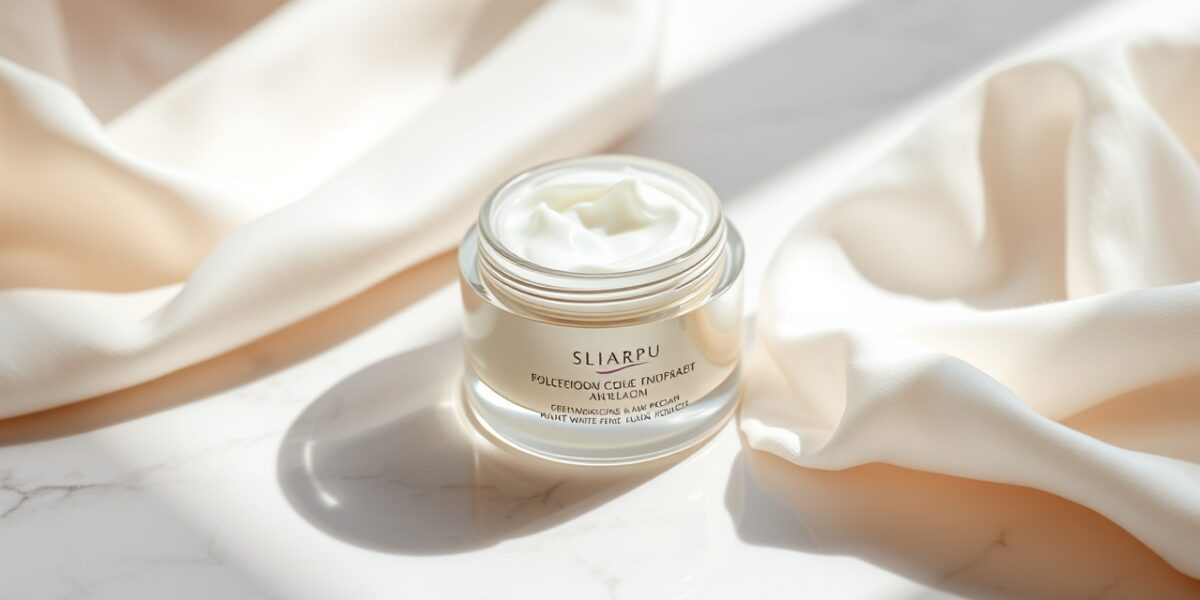
Waking up to a pair of cracked, raw lips can feel like a silent warning that your skin’s protective layer is on the brink of failure. For anyone who’s lived through the bite of winter air or the sting of dry indoor heating, the quest for the best lip mask for chapped lips becomes almost a daily ritual.
Why a Standard Balm Won’t Cut It
Most people reach for a quick‑fix wax balm when the first signs of dryness appear. These balms are great at forming a barrier that locks moisture in, but they rarely bring new water back into the skin. Think of it like putting a lid on a pot of soup that’s already been simmering for hours— the lid stops the steam, but it doesn’t add more liquid. When your lips are truly dehydrated, you need a product that can penetrate deeper and stay on the surface long enough to rehydrate.
The Overnight Advantage: Skin’s Nighttime Renewal
Our skin’s repair mechanisms ramp up while we sleep. Blood flow increases, and the outermost layer becomes more permeable, allowing active ingredients to work more efficiently. An overnight lip mask takes advantage of this window by creating a thick, occlusive seal that forces moisture into the dermis and keeps it there. The result? A softer, smoother pout by sunrise.


Key Ingredients That Deliver
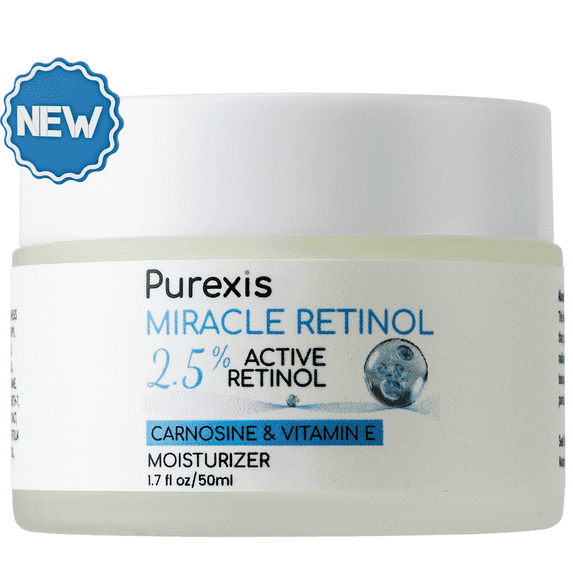
- Hyaluronic Acid – A powerful humectant that draws water from the air into the lip tissue.
- Ceramides – Lipids that rebuild the barrier, preventing future water loss.
- Shea Butter & Cocoa Butter – Rich emollients that soften and protect.
- Squalane – Mimics the skin’s natural oils for deep hydration without greasiness.
- Beeswax or Vegan Waxes – The “lid” that locks everything in place.
How to Do a Deep Lip Repair at Home
Applying a mask is just the first step. The real magic happens when you follow a three‑step routine that prepares, hydrates, and seals.
Step 1: Gentle Exfoliation
Dead skin blocks moisture. Use a soft sugar scrub or a damp washcloth to lightly buff away flakes. If you have open cracks or bleeding, skip this step and go straight to hydration to avoid irritation.
Step 2: Dampen the Canvas
Humectants need water to work. Splash your lips with lukewarm water or apply a single drop of a hydrating serum. This trick traps moisture under the occlusive layer, amplifying the mask’s effect.
Step 3: Apply a Thick, Visible Layer
Unlike a daytime balm, the mask should feel almost “too much.” A generous, almost thick coating ensures that the product stays intact even when you move or breathe through your mouth during sleep.
Common Pitfalls That Keep Lips Dry
- Mouth Breathing – Sleeping with your mouth open lets a steady stream of air evaporate moisture. Treating congestion or using a nasal strip can help.
- Menthol & Fragrance – These cool‑tingling ingredients can be drying over time. Look for fragrance‑free formulas.
- Dehydration – No mask can replace systemic hydration. Aim for at least eight glasses of water a day.
- Over‑Exfoliating – Scrubbing daily strips healthy cells. Limit to once or twice a week.
For a deeper dive into how the skin barrier works, Wikipedia offers a clear overview.
Texture Matters: Gel vs. Butter vs. Oil
Gel‑Based Masks
Light, cooling, and fast‑absorbing. Ideal for maintenance but can evaporate too quickly for severe chapping.
Butter‑Based Masks
Dense, creamy, and the gold standard for winter protection. They form a robust shield that holds moisture for hours.
Oil‑Infused Masks
Glorious shine and quick absorption, but they don’t stay on the surface as long. Use them for daytime touch‑ups and pair with a butter mask at night.
Season‑Specific Routines
What works in July may not cut it in January. Adjust your regimen to match the climate.
- Summer – UV rays are the main culprit. Use a lightweight hydrating mask overnight and a SPF‑protected balm during the day. A humidifier can also keep indoor air from drying out your lips.
- Winter – Focus on occlusion. a nightly butter mask, a humidifier, and a thicker lip balm with SPF for daytime use.
Need help tracking your routine? Check out automailify.com for tools that keep your beauty regimen organized.
Handling Severe Chapping and Cracks
When lips turn from dry to raw, the approach shifts from gentle to protective. Avoid any product with cinnamon, peppermint, or citrus oils—they can sting and worsen inflammation. Start with a pure, medical‑grade occlusive to seal the crack. Once the skin stops bleeding, reintroduce your chosen overnight mask to restore softness. Persistent chapping might signal a vitamin deficiency (B12, iron) or a reaction to toothpaste ingredients like SLS.
Long‑Term Benefits of Consistent Care
Routine overnight treatment doesn’t just soothe; it transforms. Regular hydration plumps the lip cells, diminishing fine lines
Leave a Reply