The search for the best sunscreen for oily acne prone skin often feels like a losing battle. I remember spending years avoiding SPF entirely because every product I tried left me looking like a glazed donut by noon or, worse, triggered a wave of cystic acne along my jawline. The fear is real: you want to prevent premature aging and sun damage, but you don’t want to trade a few wrinkles for a face full of breakouts.
Why Oily Skin Struggles with Sun Protection
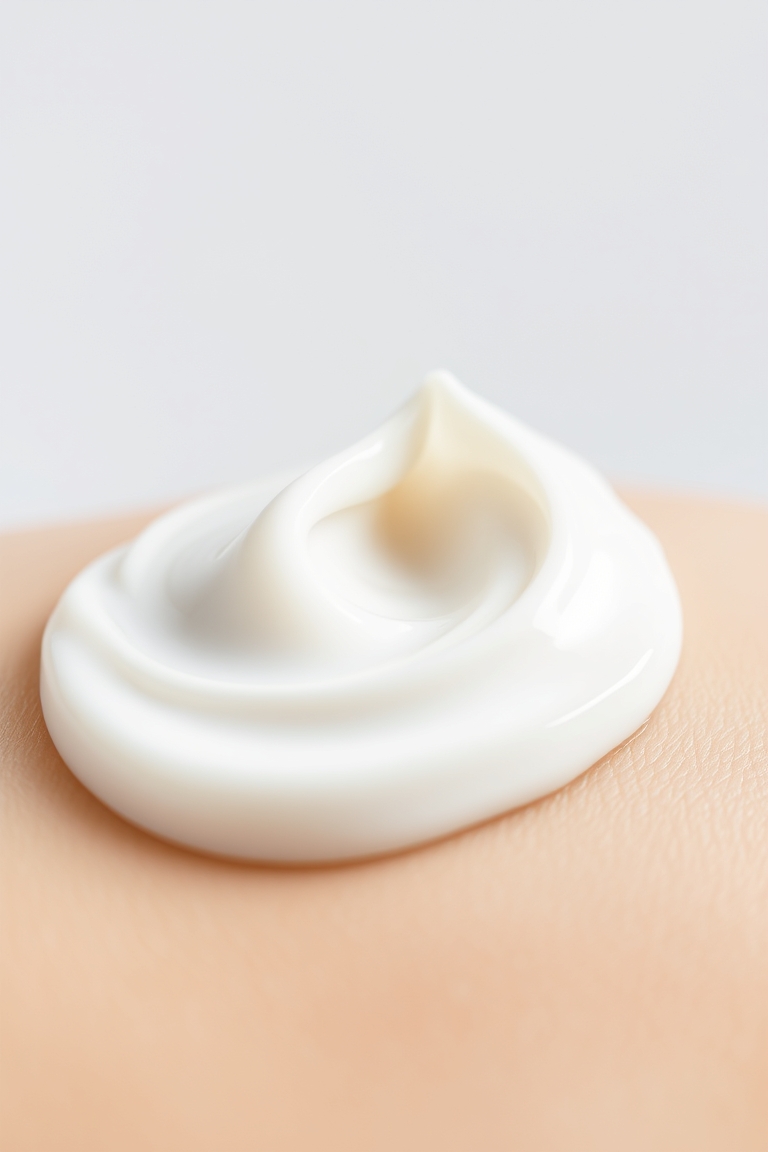
Oily skin is characterized by overactive sebaceous glands. When you layer a thick, emollient sunscreen over this excess sebum, you create a suffocating film. This film can trap bacteria and dead skin cells inside the pore, leading to comedones. For those of us with acne-prone skin, this process is accelerated.
Most traditional sunscreens rely on heavy oils or thick waxes to stabilize the UV filters. These ingredients are often the culprits behind that heavy, “greasy” feeling. To find a product that actually works, you have to look past the marketing claims and analyze the ingredient list for specific triggers.


The Importance of Non Comedogenic SPF
If you are shopping for protection, the term “non comedogenic spf” should be your primary filter. In simple terms, a non-comedogenic product is formulated specifically not to clog pores. While there is no universal legal standard for this term, it generally means the product avoids high concentrations of pore-clogging ingredients like coconut oil, isopropyl myristate, or certain thick algae extracts.
When I first started reading labels, I realized that many “oil-free” products still contained ingredients that could trigger breakouts for my specific skin type. True non-comedogenic formulas focus on lightweight carriers and water-based delivery systems. This allows the UV filters to sit on the skin without sinking into the pores and causing a blockage.
Mineral vs. Chemical Filters for Acne-Prone Skin
One of the biggest debates is whether to use physical (mineral) or chemical filters. Both have pros and cons for oily skin:
- Mineral Filters (Zinc Oxide, Titanium Dioxide): These sit on top of the skin and reflect UV rays. Zinc oxide is particularly helpful because it has mild anti-inflammatory properties that may soothe active acne. However, mineral sunscreens can sometimes feel heavier or leave a white cast.
- Chemical Filters (Avobenzone, Octisalate, etc.): These absorb UV rays and convert them into heat. They are generally thinner, easier to spread, and leave no white residue, making them a favorite for those seeking a lightweight feel. However, some people with extremely sensitive acne-prone skin may find them irritating.
Looking for an Oil Free Sunscreen
An oil free sunscreen is a necessity for anyone who deals with midday shine. By removing added oils, these formulas rely on glycerin or hyaluronic acid for hydration. This is a critical distinction because oily skin still needs moisture. If you strip the skin entirely of hydration, your sebaceous glands may actually overcompensate by producing more oil.
I’ve found that the best oil-free options often use “dry-touch” technology. This involves the use of silica or other absorbent powders that soak up excess sebum throughout the day, keeping the skin looking fresh rather than greasy.
How to Achieve a Matte Sunscreen Finish
The goal for most of us is a matte sunscreen effect—that soft-focus look where the skin looks healthy but not shiny. Achieving this requires more than just the right product; it requires the right application technique.
Step-by-Step Application for Oily Skin
- Cleanse Thoroughly: Start with a salicylic acid cleanser to clear out pores before applying any layers.
- Lightweight Hydration: Use a gel-based moisturizer. If your sunscreen is hydrating enough, you might be able to skip this step entirely during the summer.
- The Two-Finger Rule: Apply two strips of sunscreen to your index and middle fingers to ensure you’re getting the full SPF rating.
- Pat, Don’t Rub: Instead of rubbing the product in vigorously, which can irritate active acne, pat the product into the skin. This helps the matte agents settle evenly.
- Set with Powder: If you still feel a bit tacky, a light dusting of translucent powder can lock the SPF in place.
Common Ingredients to Avoid
To ensure you are using the best sunscreen for oily acne prone skin, scan your ingredient lists for these potential offenders:
- Lanolin: A heavy wax that is highly comedogenic for many.
- Coconut Oil: While great for the body, it is often too heavy for acne-prone facial skin.
- Fragrances: Synthetic scents can irritate inflamed acne, leading to more redness.
- Alcohol Denat (in high amounts): While it makes a product feel “dry,” too much can damage the skin barrier, causing your skin to produce more oil to protect itself.
Integrating SPF into a Comprehensive Acne Routine
Sunscreen is not a standalone product; it’s the final shield in your skincare routine. Many acne treatments, such as retinoids or benzoyl peroxide, increase your skin’s sensitivity to the sun. This is known as photosensitivity. If you use these treatments at night but skip SPF in the morning, you may find that your acne scars (post-inflammatory hyperpigmentation) actually get darker instead of fading.
For more information on how UV radiation affects the skin barrier, you can visit the Wikipedia page on sunscreen to understand the different spectrums of protection.
I recommend layering your products from thinnest to thickest. Start with your vitamin C serum, follow with a lightweight moisturizer, and finish with your SPF. If you are using a skincare management tool to track your breakouts, you will likely notice a correlation between consistent SPF use and a faster fading of red spots.
Dealing with the “White Cast” in Mineral SPF
Many people with oily skin prefer mineral filters because they are less likely to sting, but the white cast is a major deterrent. To combat this, look for “tinted” versions of mineral sunscreens. The iron oxides used to create the tint not only blend with your skin tone but also provide additional protection against blue light from screens, which can contribute to melasma and hyperpigmentation.
The Role of Double Cleansing
One of the biggest mistakes people make when using a matte sunscreen or a water-resistant formula is failing to remove it properly at night. These formulas are designed to stick to the skin. A simple water-based cleanser often isn’t enough to break down the UV filters and the oil-absorbing powders.
I highly suggest double cleansing: first use an oil-based cleanser or micellar water to dissolve the SPF, followed by a gentle foaming cleanser to wash everything away. If you leave remnants of sunscreen on your skin overnight, you are almost guaranteeing a breakout the next morning.
Seasonal Adjustments for Oily Skin
Your skin’s needs change with the weather. In the humid summer months, a very lightweight, oil-free gel sunscreen is usually the best bet. However, in the winter, oily skin can become “dehydrated oily,” where the surface is flaky but the pores are still producing sebum.
During winter, you might switch to a creamier non-comedogenic spf that provides a bit more barrier support while still maintaining a matte finish. The key is to listen to your skin’s texture each morning before deciding which product to reach for.
Summary Checklist for Your Next Purchase
When you are standing in the skincare aisle, use this quick checklist to determine if a product is the best sunscreen for oily acne prone skin:
- Does it explicitly state “Non-Comedogenic”?
- Is it labeled as “Oil-Free” or “Water-Based”?
- Does it offer “Matte” or “Dry-Touch” results?
- Is it broad-spectrum (protecting against both UVA and UVB)?
- Is it free from heavy oils like coconut or cocoa butter?
Frequently Asked Questions
What is the best sunscreen for oily acne prone skin?
The best option is typically a broad-spectrum, non-comedogenic, and oil-free formula. Depending on your preference, a mineral sunscreen with zinc oxide can soothe inflammation, while a chemical gel sunscreen provides a weightless, invisible finish. Look for ingredients like silica or niacinamide to help control oil production.
Can I use a moisturizer with SPF if I have oily skin?
Yes, but be cautious. Many combination products don’t provide enough SPF coverage unless you apply a massive amount, which can feel greasy. For oily skin, it is often better to use a dedicated lightweight moisturizer and a separate matte sunscreen to ensure you get the full protection without the heaviness.
Will a matte sunscreen dry out my skin too much?
Not if it is formulated correctly. A good matte sunscreen uses oil-absorbing ingredients rather than harsh alcohols that strip the skin. If you notice peeling or tightness, try applying a hyaluronic acid serum underneath to maintain hydration while keeping the surface matte.
Do I need to wear sunscreen if I stay indoors?
Yes. UVA rays can penetrate glass windows and contribute to skin aging and the darkening of acne scars. If you spend your day near windows or in front of high-energy visible (HEV) light from computers, a lightweight non-comedogenic spf is still recommended.
How often should I reapply sunscreen on oily skin?
The general rule is every two hours if you are outdoors. For those with oily skin, reapplying a cream can feel disgusting. I recommend using a translucent SPF powder for touch-ups. This allows you to add protection while simultaneously absorbing excess oil and refreshing your matte finish.
Leave a Reply