Introduction
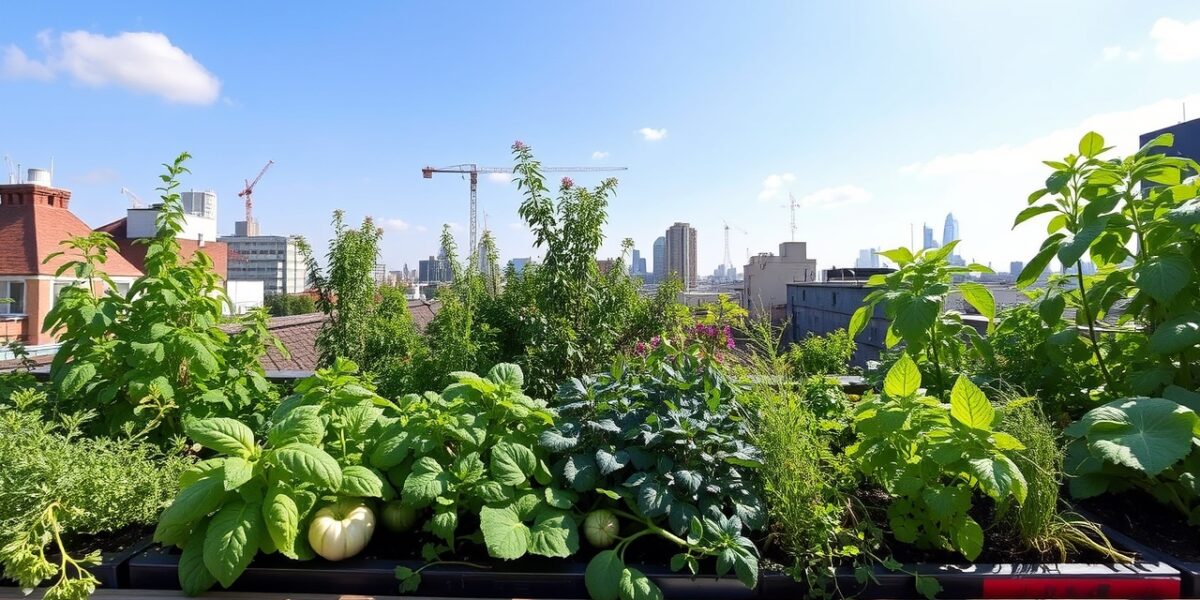
In the concrete jungle that is most modern cities, the idea of a garden may seem like a distant memory. Yet, urban gardening has surged in popularity, proving that even the smallest balcony or rooftop can become a thriving green space. Whether you are a seasoned horticulturist or a kitchen‑loving novice, this guide will walk you through every step of creating a productive, sustainable garden right in your own apartment or building. From selecting the right plants to mastering watering schedules, we cover all essential aspects to help you grow fresh herbs, vegetables, and flowers in an urban environment.
Why Urban Gardening?
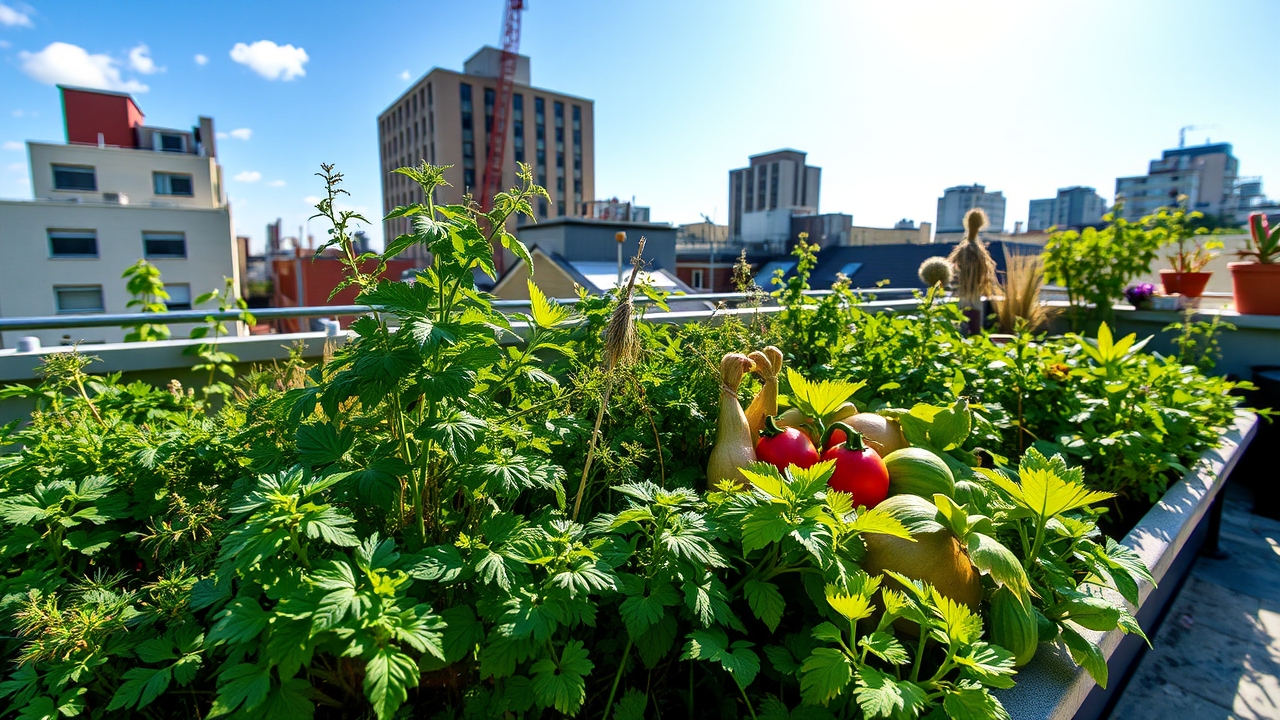
Urban gardening offers more than just aesthetic appeal. It provides fresh, pesticide‑free produce, reduces food miles, and improves air quality. Studies show that growing food in the city can lower household food costs by up to 30 percent. Moreover, the act of tending a garden can reduce stress and improve mental well‑being. For city dwellers, urban gardening is a practical, eco‑friendly solution that turns unused spaces into functional, living areas.
Planning Your Space
The first step to a successful urban garden is a clear plan. Measure your balcony or rooftop to determine the available square footage. Note the amount of direct sunlight the area receives—most vegetables need at least six hours of sun per day. Consider wind exposure, especially on rooftops, and plan for shade if necessary. Sketch a layout that incorporates plant heights, container placement, and pathways for easy maintenance. A well‑organized plan saves time and ensures each plant receives optimal light and care.



Choosing the Right Plants
Plant selection is critical. In limited space, choose compact or dwarf varieties that do not outgrow their containers. Herbs such as basil, mint, and parsley thrive in small pots and can be harvested frequently. Leafy greens like lettuce, spinach, and arugula grow quickly and can be harvested multiple times. For fruit, consider cherry tomatoes, dwarf peppers, and strawberries. If you have a sunny balcony, succulents and ornamental grasses add texture and color.
Containers and Pots
Containers come in many shapes, sizes, and materials. Lightweight plastic and terracotta pots are popular for balconies due to their ease of movement. For rooftops, consider polymer or fiberglass containers that are both durable and weather‑resistant. Ensure every container has drainage holes to prevent root rot. If you are limited on space, use tiered planters or vertical gardens to maximize planting area. Adding a decorative element like a hanging basket can also create a lush, layered look.
Soil and Fertilization
High‑quality potting mix is essential for container gardening. Look for a blend that is lightweight, well‑draining, and rich in organic matter. Avoid using garden soil, which can be too heavy and may contain pests. Add compost or worm castings to enrich the mix with nutrients. Throughout the growing season, feed plants with a balanced liquid fertilizer every two weeks. Organic options like fish emulsion or seaweed extract are gentle and beneficial for both plants and the environment.
Watering Strategies
Consistent watering is key to healthy plants. Use a moisture meter or simply check the top inch of soil; if it feels dry, it’s time to water. Morning watering is ideal, allowing leaves to dry before evening and reducing fungal risk. For drought‑tolerant species, such as many herbs, reduce watering frequency. Installing a drip irrigation system or using self‑watering pots can minimize effort and ensure even moisture distribution. Remember to adjust watering based on weather—rainy days may reduce the need for manual watering.
Composting in the City
Urban composting turns kitchen scraps into valuable fertilizer. A small worm bin or a tiered compost tumbler can fit under a balcony railing or in a hallway. Collect vegetable peels, coffee grounds, and eggshells; avoid meat and dairy. Composting reduces waste, lowers garbage bills, and produces nutrient‑rich material that can be mixed into potting soil or used as a top dressing. It’s a sustainable practice that completes the cycle of urban gardening.
Pest Management
City gardens are not immune to pests. Common issues include aphids, spider mites, and whiteflies. Use natural deterrents like neem oil, insecticidal soap, or companion planting—marigolds deter many pests. Introduce beneficial insects such as ladybugs or lacewings to keep pest populations in check. Regularly inspect plants for early signs of infestation, and remove affected leaves promptly to prevent spread.
Seasonal Care and Rotation
Urban gardens experience temperature swings and limited sunlight during certain seasons. Protect sensitive plants from late frosts with cloches or frost blankets. Rotate crops to avoid nutrient depletion—plant legumes after heavy feeders to replenish nitrogen. In winter, consider comparably hardy greens or move containers to a sheltered spot. By adjusting planting schedules, you can keep your garden productive year‑round.
DIY Projects for Space Efficiency
Creative DIY solutions can maximize limited space. Build a vertical trellis for climbing tomatoes or beans, using repurposed pallets or bamboo stakes. Construct a hanging planter from a repurposed tote or a wooden crate. Install a small greenhouse on a balcony to extend the growing season. These projects not only save space but also add a personal touch to your garden.
Community Gardening and Shared Spaces
Many cities offer community garden plots or rooftop gardens managed by local organizations. Joining a community garden can provide shared resources, access to larger plots, and a network of experienced gardeners. It’s also an excellent way to meet neighbors and learn new techniques. If your building allows, propose a shared rooftop garden that benefits everyone in the complex.
Conclusion
Urban gardening transforms the concrete environment into a vibrant, productive oasis. With careful planning, the right plant selection, and sustainable practices, city dwellers can enjoy fresh produce, improved well‑being, and a stronger sense of community. Start small, experiment, and let your green space grow alongside your city life. Happy gardening!
For further reading, see related references on Wikipedia.
Leave a Reply