When you run your fingers through your hair after a wash and feel a stubborn, greasy tug at the roots, the culprit is almost always product buildup. It’s the invisible layer of silicone, wax, and environmental grime that clings to the scalp and traps dead skin cells. The result? A dull, lifeless look and a persistent itch that no ordinary shampoo can lift.
What Exactly is Product Buildup on the Scalp?
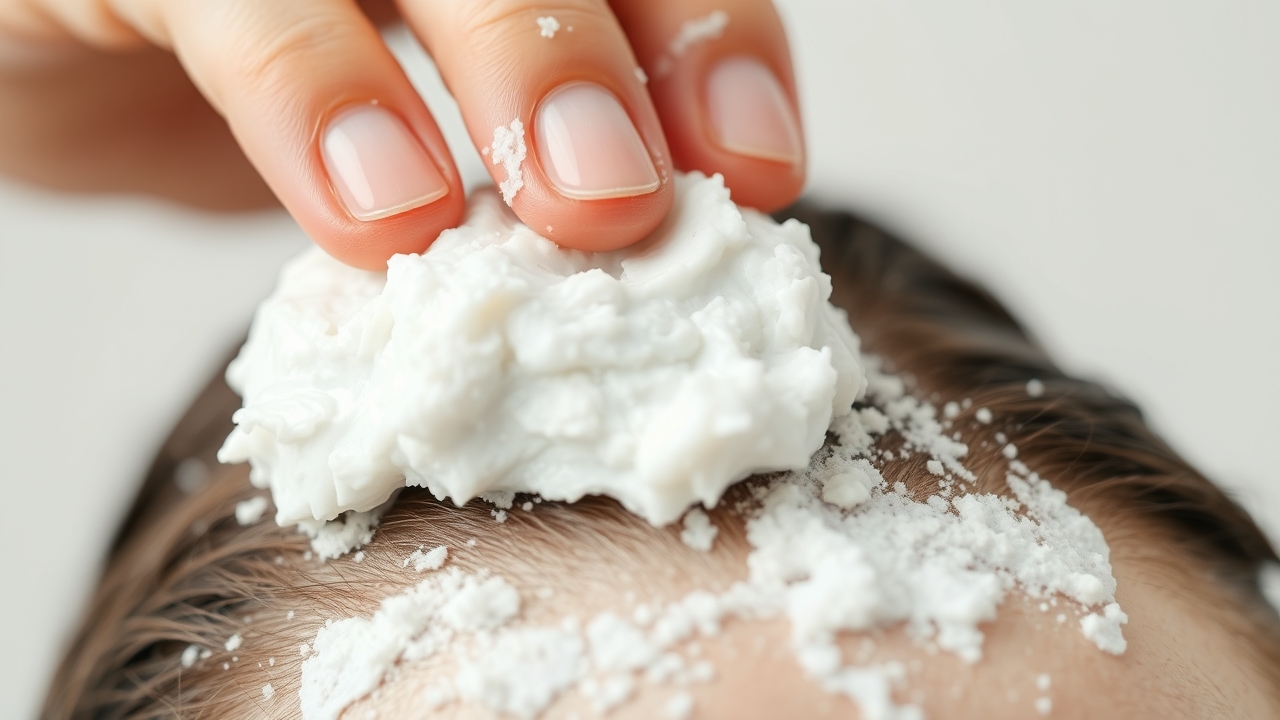
Product buildup happens when the ingredients in your styling products never fully rinse out. Heavy silicones, mineral oils, and polymer gels form a film that shields the scalp from air and moisture. Over weeks, this film collects dead skin, excess sebum, and microscopic dust particles, turning the scalp into a sticky, oil‑laden surface.
Unlike the skin on your face, the scalp’s pores are larger and more active, so they’re especially prone to clogging. When the pores are blocked, hair follicles can’t receive the oxygen and nutrients they need, which shows up as a flat, limp appearance at the roots.


Signs You Need a Scalp Detox
- Hair feels greasy within hours of washing.
- Persistent itching that isn’t linked to allergies.
- Roots look flat and lack bounce.
- Small, waxy flakes that don’t lift with a standard anti‑dandruff shampoo.
- Scalp feels tight or tender to the touch.
How a Scalp Scrub Works to Clear the Skin
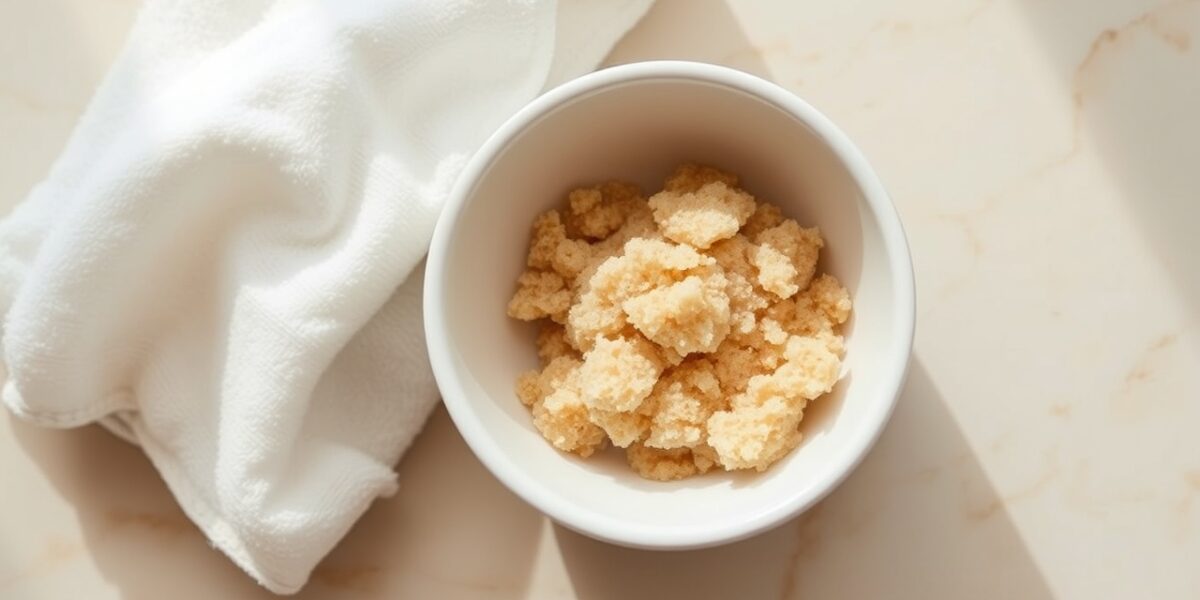
A scalp scrub is the hair‑care equivalent of a facial exfoliator. It contains tiny abrasive particles—sugar crystals, sea salt grains, or jojoba beads—that physically lift debris from the skin. Many formulas also add salicylic acid or glycolic acid, which chemically dissolves the “glue” that holds dead cells together.
When you massage the scrub into the scalp, the friction increases blood flow, delivering fresh oxygen to the follicles. The result is a cleaner, more breathable environment that can help hair grow thicker and stronger.
Choosing the Right Scalp Exfoliator for Your Hair Type
Not all scrubs are created equal. The key is to match the scrub’s texture and ingredients with your scalp’s needs.
For Oily Scalps
Look for scrubs that combine physical exfoliation with oil‑absorbing agents. Charcoal, kaolin clay, and activated charcoal crystals act like a magnet, pulling excess sebum out of the pores. Sea salt or pumice grains provide a gentle abrasion that removes the outer layer of dead skin.
Example: Scalp Detox Charcoal Scrub by L’Oréal Professionnel blends activated charcoal with fine sea salt for a dual‑action cleanse.
For Dry or Sensitive Scalps
High‑salt scrubs can strip the scalp’s natural barrier, so choose a sugar‑based formula enriched with hydrating oils. Coconut oil, almond oil, or argan oil create a protective film that keeps moisture in while still lifting residue.
Example: Silk & Silk Scalp Sugar Scrub contains organic sugar and jojoba beads, plus a touch of rosehip oil for soothing.
For Fine or Color‑Treated Hair
Fine hair is prone to weighing down, so a lightweight, water‑soluble scrub is essential. Avoid heavy beads that can cling to the hair shaft. Focus the scrub on the scalp only, using a soft brush or your fingertips, and rinse immediately.
Example: Biolage Scalp Refreshing Scrub uses micro‑fine sea salt and a light, alcohol‑free base that rinses cleanly.
Step‑by‑Step Guide: How to Use a Scalp Scrub Correctly
- Section Your Hair: Divide into four or six sections. This ensures you reach every spot on the scalp.
- Wet the Scalp: Damp hair (not dripping) allows the scrub to glide smoothly.
- Apply a Small Amount: A dime‑sized portion per section is enough. Use your fingertips to press the scrub into the skin.
- Massage in Small Circles: Use the pads of your fingers, not nails. Work for 2–3 minutes to break up the film.
- Rinse Thoroughly: Spend extra time rinsing to avoid leaving grains that could turn into flakes.
- Condition Lightly: Apply conditioner only to the ends. Skip the scalp to keep pores clear.
Frequency: How Often Should You Exfoliate?
Over‑exfoliation can damage the skin barrier, leading to irritation and rebound oiliness. For most people, once every 10–14 days is ideal. If you use heavy styling products daily, a weekly scrub may be beneficial. Sensitive scalps can handle a monthly routine.
Monitor your scalp’s reaction. Redness or a spike in itchiness means you’re scrubbing too often.
Physical vs. Chemical Exfoliation
Physical scrubs remove buildup through abrasion, while chemical exfoliants use acids to dissolve dead skin. Both have benefits:
- Physical Scrubs: Immediate relief, tactile massage, and a visible lift.
- Chemical Exfoliants: Ideal for stubborn flaking or scalp acne; salicylic acid penetrates deeper than sugar crystals.
Some users alternate between the two for a comprehensive cleanse. I personally favor a physical scrub for its relaxing massage, but a chemical option works well if you have persistent flaking.
Common Mistakes to Avoid
The most frequent error is scrubbing too hard. Treat the scalp like delicate skin, not a kitchen floor. If you feel stinging, the product is too harsh or the pressure is excessive.
Another mistake is using a scrub on an inflamed scalp—psoriasis, seborrheic dermatitis, or open sores can flare. If you have a scalp condition, consult a dermatologist before adding a physical exfoliant.
Finally, never forget to clean your tools. If you use a silicone scalp massager, wash it with soap and water after every session to prevent bacterial buildup.
Integrating Scalp Care into Your Overall Beauty Routine
A clean scalp is the foundation for healthy hair. Think of it like preparing soil before planting. After a deep scrub, follow up with a lightweight, soothing serum—such as a hyaluronic acid spray—to calm the skin and lock in moisture.
For those who want to stay on top of their routine, automailify.com offers automated reminders and scheduling tools that keep your scalp care on track.
Diet and Lifestyle Factors Affecting Buildup
What you eat can influence sebum production. A diet high in refined sugars can spike insulin, which in turn increases oil output. Staying hydrated helps maintain skin elasticity and reduces the tendency for dry flakes.
Stress also plays a role. During high‑stress periods, cortisol levels rise, triggering excess oil production. Regular sleep, exercise, and mindfulness practices can help keep the scalp calm and balanced.
Summary of the Best Approach for a Clean Scalp
Removing buildup is a consistent practice, not a one‑time fix. Identify your scalp type, choose a scrub that matches its needs, and apply it gently in sections. Rinse thoroughly, condition only the ends, and repeat every 10–14 days. Treat your scalp with the same care you give your face, and you’ll notice a fuller, more vibrant hairline.
Frequently Asked Questions
What is the best scalp scrub for buildup if I have oily hair?
For oily hair, look for a scrub that blends charcoal or kaolin clay with fine sea salt. The charcoal absorbs excess sebum, while the salt lifts the product residue and dead skin.
Can I use a regular body scrub on my scalp?
It’s not recommended. Body scrubs often contain larger particles or heavier oils that can clog the scalp’s pores and get tangled in the hair, making rinsing difficult.
Will using a scalp exfoliator cause my hair to get oilier?
When used correctly, no. Over‑exfoliation can strip natural oils, triggering a rebound effect. Stick to a once‑weekly or bi‑weekly schedule to avoid this.
How do I know if I have product buildup or dandruff?
Dandruff is usually caused by a yeast‑like fungus and is accompanied by redness and itching. Product buildup appears as small, waxy flakes concentrated at the roots. A clarifying scrub clears buildup, while dandruff often requires a medicated shampoo.
Can I use a scalp scrub on color‑treated hair?
Yes, but choose a formula labeled “color‑safe.” Avoid scrubs with harsh acids that may fade pigment. Focus the scrub on the scalp only and rinse thoroughly to protect the hair shaft.
What ingredients should I look for in a gentle scalp scrub?
For sensitive scalps, opt for sugar crystals or jojoba beads paired with soothing oils like almond or rosehip. Avoid coarse salt or abrasive pumice, which can irritate delicate skin.
Is a chemical exfoliant better than a physical scrub?
It depends on your needs. Chemical exfoliants—salicylic or glycolic acid—penetrate deeper and are great for stubborn flaking or scalp acne. Physical scrubs provide an immediate tactile cleanse and are easier to apply.
How long should I wait between scrub sessions?
Give your scalp at least 10–14 days between sessions. This window allows the skin barrier to recover and reduces the risk of irritation.
Can I combine a scrub with a clarifying shampoo?
Yes. Using a clarifying shampoo before the scrub removes liquid residue, making the scrub more effective. Follow with a gentle conditioner on the ends only.
What should I do if my scalp feels irritated after scrubbing?
Stop scrubbing immediately. Rinse with cool water, apply a soothing aloe gel, and give the scalp a week of gentle care before attempting another scrub.
Do I need a separate scrub for the hair and scalp?
No. A single, well‑balanced scalp scrub is sufficient. The key is to apply it only to the scalp; the hair shaft can be left untouched to avoid weighing it down.
Where can I find the best scalp scrub for buildup?
Look for reputable brands that list their exfoliating particles and active ingredients. Check online reviews and consult a trichologist if you have a persistent scalp issue.
Can I use a scalp scrub if I have a scalp condition like psoriasis?
Consult a dermatologist first. Some scrubs may aggravate inflammation. If approved, choose a gentle, fragrance‑free formula and apply sparingly.
What is the difference between a scalp scrub and a scalp mask?
A scrub physically removes buildup; a mask hydrates and calms the skin. For a full routine, scrub once a month and follow up with a hydrating mask on non‑scrub days.
Will a scalp scrub help with hair loss?
By clearing the follicles, a scrub can create a healthier environment for hair growth, but it’s not a cure for genetic or hormonal hair loss. It can, however, improve density and thickness over time.
How do I apply a scrub if I have thick, curly hair?
Section the hair and focus on the scalp with a soft brush or your fingertips. Use a small amount and massage gently. Rinse thoroughly to avoid residue that could weigh down curls.
Can I use a scalp scrub on a shaved head?
Yes. A shaved scalp is more exposed, so it’s easier to apply the scrub evenly. Follow the same steps: section, dampen, apply, massage, rinse, and skip conditioning on the scalp.
Should I use a scalp scrub before or after a deep conditioning treatment?
Use the scrub first to cleanse the scalp, then apply a deep conditioner to the hair shaft. This sequence prevents the conditioner from clogging the pores.
What is the best time of day to use a scalp scrub?
In the evening, after a shower, gives you time to rinse and let your scalp rest overnight. Morning use can be fine if you have a quick shower routine.
Can I use a scalp scrub if I have an active scalp infection?
No. If you suspect a bacterial or fungal infection, seek medical advice before scrubbing. The abrasive action could worsen the condition.
Is there a risk of scalp injury from scrubbing?
Only if you apply too much pressure or use a product with overly coarse particles. Use gentle, circular motions and avoid nails.
How can I tell if my scalp is too dry after scrubbing?
Look for tightness, flaking, or a dull scalp appearance. If these symptoms appear, add a hydrating serum or reduce scrub frequency.
What is the ideal particle size for a scalp scrub?
Fine to medium particles—like sugar crystals or sea salt—are ideal. Coarse grains can scratch the scalp, while too fine particles may not lift buildup effectively.
Can a scalp scrub help with scalp acne?
Yes. The exfoliation removes excess oil and dead skin that can clog pores. Pair with a salicylic acid‑based scrub for best results.
Do I need to use a separate conditioner after scrubbing?
Yes, but only on the hair ends. The scalp should remain free of conditioner to keep pores clear.
What if I forget to rinse the scrub properly?
Residual grains can dry into flakes that look like dandruff. Rinse until the water runs clear and the scalp feels smooth.
Is it possible to over‑exfoliate the scalp?
Absolutely. Over‑exfoliation can damage the skin barrier, leading to irritation and increased oil production. Stick to the recommended 10–14 day interval.
Can I use a scalp scrub if I have a chemical bond or hair extensions?
Yes, but be cautious around the bonding area. Avoid scrubbing directly on the adhesive; focus on the scalp only.
What are the signs that my scalp scrub is too harsh?
Redness, itching, or a burning sensation during or after use indicate that the product is too strong for your skin.
Should I use a scalp scrub if I have a low sebum level?
If your scalp is naturally dry, choose a gentle, sugar‑based scrub with added oils to prevent further moisture loss.
Can I use a scalp scrub if I have a history of eczema?
Consult a dermatologist. A mild, fragrance‑free scrub may be acceptable, but avoid abrasive particles that can flare eczema.
What is the difference between a scalp scrub and a scalp peel?
A scrub physically removes buildup; a peel uses chemical agents to dissolve dead skin. Peels are more potent and should be used less frequently.
Is there a best time of year to use a scalp scrub?
In spring and fall, when humidity is moderate, scrubbing can help remove winter buildup. In summer, a lighter cleanse may suffice.
Can I use a scalp scrub if I have a lot of hair product buildup from styling gels?
Yes. A scrub with charcoal and fine salt will lift the gel residue, leaving the scalp clean.
What is the best way to store my scalp scrub?
Keep it in a cool, dry place away from direct sunlight. A glass jar with a tight lid preserves the texture and prevents the scrub from drying out.
Do I need to use a separate scalp scrub if I use a clarifying shampoo?
Clarifying shampoos remove liquid residue but may not lift the thicker buildup. A scrub can provide a deeper cleanse.
How do I know if my scalp is ready for a scrub?
If you notice a greasy feel, itchiness, or visible flakes, it’s time to cleanse. If your scalp feels smooth and dry, you can skip the scrub.
Can I use a scalp scrub if I have a sensitive scalp that reacts to fragrances?
Choose an unscented, fragrance‑free scrub. Look for products labeled hypoallergenic and free of essential oils.
What are the benefits of using a scalp scrub regularly?
Regular scrubbing removes buildup, improves circulation, reduces itchiness, and promotes a cleaner environment for hair growth.
How long does a scalp scrub usually last?
Most scrubs last 3–6 months with regular use, depending on the concentration of abrasive particles parents.
Can I use a scalp scrub on a shaved scalp with a beard?
Yes, but apply the scrub only to the hairless areas. Be mindful of the beard’s skin to avoid irritation.
What should I do if I experience redness after scrubbing?
Apply a cold compress or a soothing aloe gel. Reduce scrub frequency and use a gentler formula.
Can I use a scalp scrub on a scalp with a medical condition like psoriasis?
Consult a dermatologist. If approved, use a mild, fragrance‑free scrub and avoid the inflamed areas.
Is it safe to use a scalp scrub if I have a hair transplant?
Yes, but avoid the transplant area. Focus on the surrounding scalp and use a gentle product.
Can I use a scalp scrub if I have a lot of hair product buildup from styling gels?
Yes, a scrub with charcoal and fine salt will lift gel residue effectively.
What if my scalp feels tight after scrubbing?
That’s a sign of over‑exfoliation. Skip the next scrub and use a hydrating serum.
How do I choose a scrub that won’t leave residue on my hair?
Look for water‑soluble, alcohol‑free formulas that rinse cleanly. Avoid heavy oils or silicones in the scrub.
Can I use a scalp scrub if I have a low sebum level?
Yes, but choose a gentle, sugar‑based scrub with added oils to keep moisture.
What is the best way to apply a scalp scrub on a curly head?
Section the curls, apply to the scalp, massage gently, and rinse thoroughly to prevent buildup on the curls.
Do I need to use a separate conditioner after scrubbing?
Yes, but only on the hair ends to keep the scalp clear.
What is the best way to store my scalp scrub?
Keep it in a cool, dry place away from direct sunlight. A glass jar with a tight lid preserves the texture and prevents the scrub from drying out.
Can I use a scalp scrub if I have a history of eczema?
Consult a dermatologist. A mild, fragrance‑free scrub may be acceptable, but avoid abrasive particles that can flare eczema.
What is the difference between a scalp scrub and a scalp peel?
A scrub physically removes buildup; a peel uses chemical agents to dissolve dead skin. Peels are more potent and should be used less frequently.
Is there a best time of year to use a scalp scrub?
In spring and fall, when humidity is moderate, scrubbing can help remove winter buildup. In summer, a lighter cleanse may suffice.
Can I use a scalp scrub if I have a lot of hair product buildup from styling gels?
Yes. A scrub with charcoal and fine salt will lift the gel residue, leaving the scalp clean.
What is the best way to store my scalp scrub?
Keep it in a cool, dry place away from direct sunlight. A glass jar with a tight lid preserves the texture and prevents the scrub from drying out.
Do I need to use a separate scalp scrub if I use a clarifying shampoo?
Clarifying shampoos remove liquid residue but may not lift thicker buildup. A scrub can provide a deeper cleanse.
How do I know if my scalp is ready for a scrub?
If you notice a greasy feel, itchiness, or visible flakes, it’s time to cleanse. If your scalp feels smooth and dry, you can skip the scrub.
Can I use a scalp scrub if I have a sensitive scalp that reacts to fragrances?
Choose an unscented, fragrance‑free scrub. Look for products labeled hypoallergenic and free of essential oils.
What are the benefits of using a scalp scrub regularly?
Regular scrubbing removes buildup, improves circulation, reduces itchiness, and promotes a cleaner environment for hair growth.
How long does a scalp scrub usually last?
Most scrubs last 3–6 months with regular use, depending on the concentration of abrasive particles.
Can I use a scalp scrub on a shaved scalp with a beard?
Yes, but apply the scrub only to the hairless areas. Be mindful of the beard’s skin to avoid irritation.
What should I do if I experience redness after scrubbing?
Apply a cold compress or a soothing aloe gel. Reduce scrub frequency and use a gentler formula.
Can I use a scalp scrub if I have a medical condition like psoriasis?
Consult a dermatologist. If approved, use a mild, fragrance‑free scrub and avoid the inflamed areas.
Is it safe to use a scalp scrub if I have a hair transplant?
Yes, but avoid the transplant area. Focus on the surrounding scalp and use a gentle product.
Can I use a scalp scrub if I have a lot of hair product buildup from styling gels?
Yes, a scrub with charcoal and fine salt will lift gel residue effectively.
What if my scalp feels tight after scrubbing?
That’s a sign of over‑exfoliation. Skip the next scrub and use a hydrating serum.
How do I choose a scrub that won’t leave residue on my hair?
Look for water‑soluble, alcohol‑free formulas that rinse cleanly. Avoid heavy oils or silicones in the scrub.
Can I use a scalp scrub if I have a low sebum level?
Yes, but choose a gentle, sugar‑based scrub with added oils to keep moisture.
What is the best way to apply a scalp scrub on a curly head?
Section the curls, apply to the scalp, massage gently, and rinse thoroughly to prevent buildup on the curls.
Do I need to use a separate conditioner after scrubbing?
Yes, but only on the hair ends to keep the scalp clear.
What is the best way to store my scalp scrub?
Keep it in a cool, dry place away from direct sunlight. A glass jar with a tight lid preserves the texture and prevents the scrub from drying out.
Can I use a scalp scrub if I have a history of eczema?
Consult a dermatologist. A mild, fragrance‑free scrub may be acceptable, but avoid abrasive particles that can flare eczema.
What is the difference between a scalp scrub and a scalp peel?
A scrub physically removes buildup; a peel uses chemical agents to dissolve dead skin. Peels are more potent and should be used less frequently.
Is there a best time of year to use a scalp scrub?
In spring and fall, when humidity is moderate, scrubbing can help remove winter buildup. In summer, a lighter cleanse may suffice.
Can I use a scalp scrub if I have a lot of hair product buildup from styling gels?
Yes. A scrub with charcoal and fine salt will lift the gel residue, leaving the scalp clean.
What is the best way to store my scalp scrub?
Keep it in a cool, dry place away from direct sunlight. A glass jar with a tight lid preserves the texture and prevents the scrub from drying out.
Do I need to use a separate scalp scrub if I use a clarifying shampoo?
Clarifying shampoos remove liquid residue but may not lift thicker buildup. A scrub can provide a deeper cleanse.
How do I know if my scalp is ready for a scrub?
If you notice a greasy feel, itchiness, or visible flakes, it’s time to cleanse. If your scalp feels smooth and dry, you can skip the scrub.
Can I use a scalp scrub if I have a sensitive scalp that reacts to fragrances?
Choose an unscented, fragrance‑free scrub. Look for products labeled hypoallergenic and free of essential oils.
What are the benefits of using a scalp scrub regularly?
Regular scrubbing removes buildup, improves circulation, reduces itchiness, and promotes a cleaner environment for hair growth.
How long does a scalp scrub usually last?
Most scrubs last 3–6 months with regular use, depending on the concentration of abrasive particles.
Can I use a scalp scrub on a shaved scalp with a beard?
Yes, but apply the scrub only to the hairless areas. Be mindful of the beard’s skin to avoid irritation.
What should I do if I experience redness after scrubbing?
Apply a cold compress or a soothing aloe gel. Reduce scrub frequency and use a gentler formula.
Can I use a scalp scrub if I have a medical condition like psoriasis?
Consult a dermatologist. If approved, use a mild, fragrance‑free scrub and avoid the inflamed areas.
Is it safe to use a scalp scrub if I have a hair transplant?
Yes, but avoid the transplant area. Focus on the surrounding scalp and use a gentle product.
Can I use a scalp scrub if I have a lot of hair product buildup from styling gels?
Yes, a scrub with charcoal and fine salt will lift gel residue effectively.
What if my scalp feels tight after scrubbing?
That’s a sign of over‑exfoliation. Skip the next scrub and use a hydrating serum.
How do I choose a scrub that won’t leave residue on my hair?
Look for water‑soluble, alcohol‑free formulas that rinse cleanly. Avoid heavy oils or silicones in the scrub.
Can I use a scalp scrub if I have a low sebum level?
Yes, but choose a gentle, sugar‑based scrub with added oils to keep moisture.
What is the best way to apply a scalp scrub on a curly head?
Section the curls, apply to the scalp, massage gently, and rinse thoroughly to prevent buildup on the curls.
Leave a Reply