The Future of Renewable Energy: Innovations and Challenges
Renewable energy has become a cornerstone of global efforts to reduce greenhouse gas emissions and foster sustainable development. Over the past decade, the cost of solar photovoltaic modules and wind turbines has fallen by more than 70%, making clean power increasingly competitive with fossil fuels. Yet the journey toward a fully decarbonized grid is complex, involving not only technological breakthroughs but also grid modernization, regulatory reforms, and societal acceptance. In this article we examine the current state of renewables, highlight transformative innovations, and outline the challenges that must be addressed to achieve a resilient and affordable energy system.
1. Current Landscape of Renewable Energy
By the end of 2025, renewable sources accounted for roughly 30% of global electricity generation, a figure that has steadily climbed from 15% in 2010. Solar photovoltaics now dominate the rooftop market, with residential installations contributing a growing share of new capacity. Wind power, both onshore and offshore, continues to expand, especially in Europe and East Asia, where favorable policies and abundant wind resources drive rapid deployment. Hydropower remains the largest single renewable source, but its growth has slowed due to environmental constraints and the scarcity of new large‑scale sites. Biomass and geothermal energy, while smaller in scale, provide essential baseload support in regions with abundant organic feedstock or volcanic activity.
- Solar Photovoltaics – Installed capacity surpassed 1,000 GW worldwide, with average module prices below $0.30 per watt.
- Onshore Wind – Global capacity reached 800 GW, with turbine blades now exceeding 160 meters in length.
- Offshore Wind – Europe leads with 60 GW, while Asia and the U.S. are rapidly catching up.
- Hydropower – 1,300 GW of installed capacity, with small‑scale projects gaining traction.
- Biomass & Geothermal – Combined capacity of 200 GW, offering reliable baseload options.
2. Cutting‑Edge Innovations Driving the Sector
Several breakthrough technologies are reshaping the renewable energy landscape, each addressing specific bottlenecks such as intermittency, storage, and resource efficiency. These innovations promise to accelerate deployment, lower costs, and expand the geographic reach of clean power.



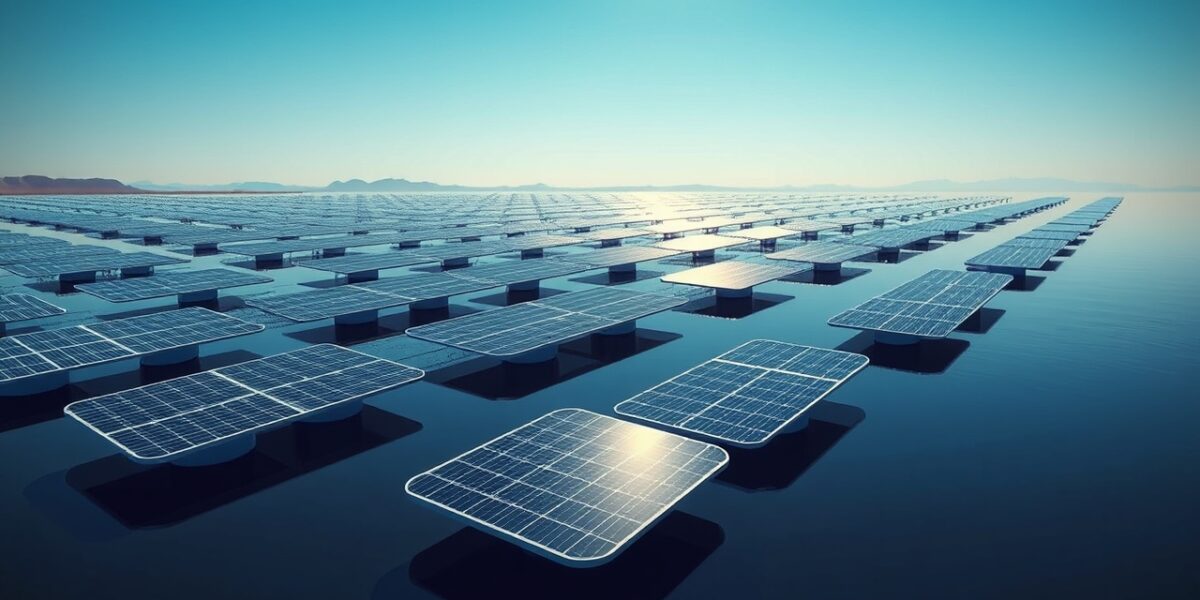
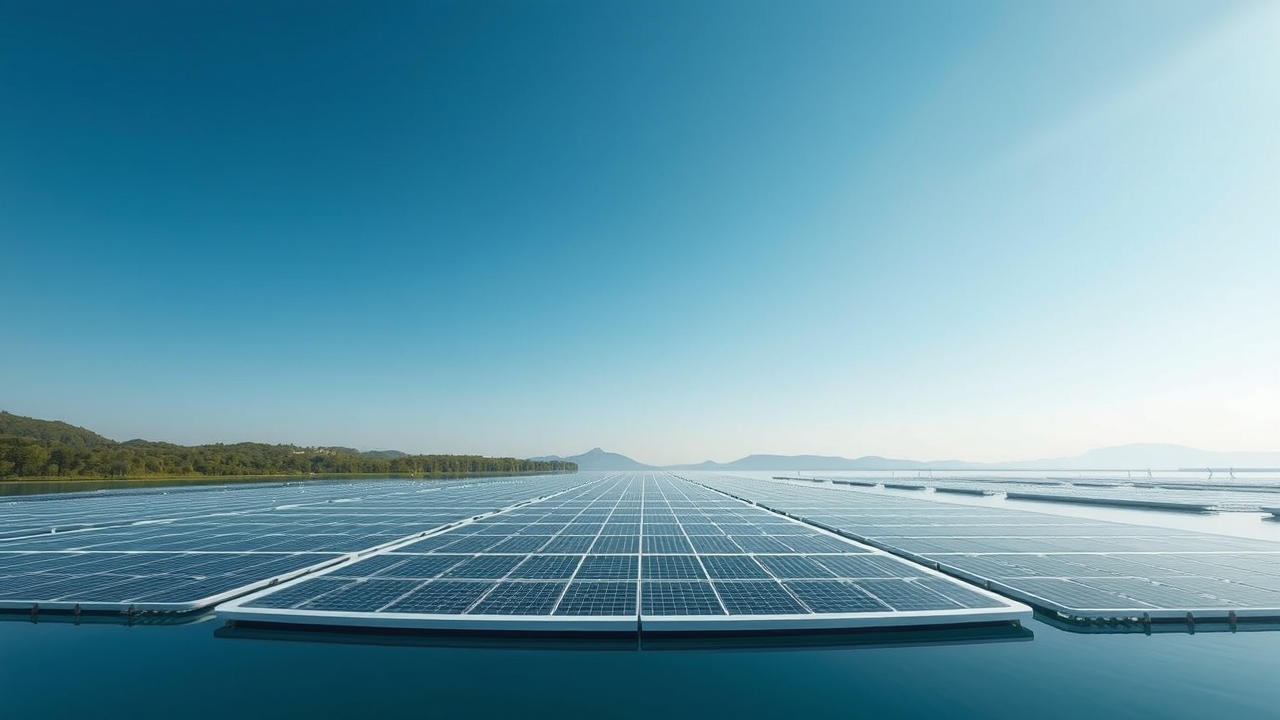
2.1 Floating Solar Panels (Floatovoltaics)
Floating solar installations, or floatovoltaics, harness the advantages of water bodies by reducing land competition, mitigating evaporation, and improving panel efficiency through natural cooling. Recent pilot projects in China, the United States, and Europe have demonstrated power densities 15–20% higher than land‑based counterparts. Moreover, the dual use of lakes and reservoirs for both hydroelectric storage and solar generation creates synergistic benefits, allowing operators to shift between generation modes based on demand and weather.
2.2 Offshore Wind Farms with Advanced Blade Design
Offshore wind has seen a surge in capacity, driven by innovations in blade aerodynamics, composite materials, and maintenance strategies. Modern turbines now feature blades over 200 meters long, increasing swept area and capturing more wind energy. Advanced blade designs incorporate active pitch control and adaptive materials that respond to wind shear, reducing mechanical stress and extending service life. Coupled with floating foundations, these turbines can reach deeper waters where wind speeds are steadier, opening up vast new deployment zones.
2.3 Green Hydrogen Production
Hydrogen produced via electrolysis powered by renewables—commonly referred to as green hydrogen—offers a versatile solution for decarbonizing sectors that are hard to electrify, such as heavy industry, shipping, and aviation. The latest electrolyzer technologies, including proton exchange membrane (PEM) and solid oxide variants, now operate at efficiencies above 65% and can scale from kilowatt to megawatt levels. Coupled with storage tanks and pipeline networks, green hydrogen can serve as a seasonal energy buffer, storing surplus renewable electricity generated during low demand periods.
2.4 Energy Storage Advancements
Energy storage is the linchpin of a renewable‑heavy grid. Beyond lithium‑ion batteries, which dominate the market, emerging technologies such as flow batteries, solid‑state cells, and compressed air energy storage (CAES) are gaining traction. Flow batteries offer scalable, long‑duration storage ideal for grid‑level applications, while solid‑state designs promise higher energy densities and improved safety. CAES, especially when paired with underground caverns, can store megawatt‑hour quantities for days, providing critical backup during prolonged cloudy or calm periods.
3. Integration Challenges and Grid Modernization
High penetration of variable renewables requires a comprehensive overhaul of grid architecture, control systems, and market mechanisms. Key challenges include maintaining frequency stability, managing voltage fluctuations, and ensuring adequate transmission capacity to link remote wind and solar hubs with load centers.
3.1 Grid Stability and Frequency Control
Traditional synchronous generators naturally provide inertia that buffers frequency swings. As they are replaced by inverter‑based resources, grid operators must emulate inertia through synthetic solutions such as synchronous condensers or digital droop control. Smart inverters can also provide voltage support, reactive power, and rapid frequency response, mitigating the risk of blackouts during sudden generation dips.
3.2 Grid Infrastructure Upgrades
Expanding transmission corridors is essential to transport renewable power from offshore and high‑latitude sites to urban demand centers. High‑voltage direct current (HVDC) lines, with lower line losses and the ability to interconnect asynchronous grids, are becoming the preferred choice for long‑distance transmission. Grid operators are also investing in dynamic line rating systems that adjust capacity based on real‑time temperature and weather data, maximizing existing infrastructure without costly new lines.
3.3 Policy and Regulatory Frameworks
Regulatory support remains a critical enabler of renewable deployment. Net metering policies, feed‑in tariffs, and renewable portfolio standards incentivize investment, while streamlined permitting processes reduce development timelines. Additionally, market reform is needed to value flexibility and storage services, ensuring that new resources receive appropriate compensation for the ancillary services they provide.
4. Economic and Social Impacts
The renewable energy transition offers a wide array of economic and social benefits. It stimulates job creation across manufacturing, installation, and maintenance sectors, and promotes energy security by diversifying supply sources. Moreover, cleaner air reduces public health costs, while decentralized renewable systems enhance resilience in remote communities.
- Job Creation – The renewable sector employed 11 million people worldwide in 2023, with growth projected at 3% annually.
- Energy Access – Off‑grid solar and wind solutions have lifted more than 100 million people out of energy poverty.
- Health Benefits – Reduction in particulate matter and sulfur dioxide levels has saved thousands of lives and lowered healthcare expenditures.
5. Looking Ahead: 2030 and Beyond
By 2030, the global energy mix is expected to feature renewables as the dominant source of electricity, with solar and wind together accounting for nearly 50% of new capacity. Decentralized energy systems, including microgrids and community solar projects, will play a pivotal role in delivering reliable power to underserved regions and enhancing grid resilience.
5.1 Decentralized Energy Systems
Microgrids that integrate local renewable generation, storage, and demand management can operate autonomously during grid disturbances, ensuring continuity of critical services such as hospitals and emergency shelters. Community solar initiatives, where multiple households share a single solar array, democratize access to clean energy and foster local investment.
5.2 Circular Economy for Renewable Components
As the first generation of solar panels and wind turbines reaches end‑of‑life, establishing robust recycling pathways becomes imperative. Innovations in panel disassembly, material recovery, and blade refurbishment can reduce waste and lower the environmental footprint of renewable infrastructure.
6. Conclusion
Renewable energy is not merely a technological shift; it represents a paradigm change in how society generates, distributes, and consumes power. The convergence of floating solar, advanced offshore turbines, green hydrogen, and next‑generation storage is unlocking unprecedented opportunities for clean, resilient, and affordable energy. However, achieving a fully decarbonized grid will require coordinated action across technology development, grid modernization, policy reform, and public engagement. By embracing these innovations and addressing the accompanying challenges, we can secure a sustainable energy future that benefits both the planet and its people.
For further reading, see related references on Wikipedia.
Leave a Reply