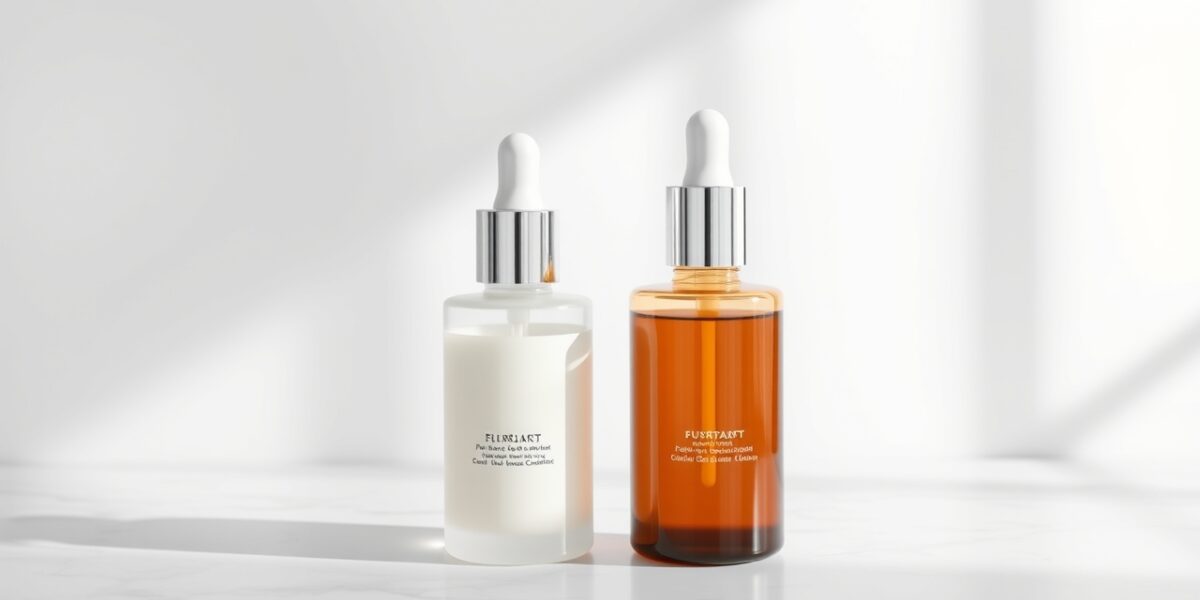
Hyaluronic acid vs niacinamide is a question many skincare enthusiasts ask when selecting the right serum for their routine. Both ingredients have become staples in modern skincare, yet they serve distinct purposes and can dramatically alter how your skin feels and looks. By the end of this guide, you’ll know which serum—or whether a combination—fits your specific concerns.
Hyaluronic Acid vs Niacinamide: The Big Showdown
When comparing hyaluronic acid vs niacinamide, it helps to start with a quick overview of each ingredient’s core function. Hyaluronic acid is a humectant that draws moisture from the environment into the skin, creating a plump, hydrated appearance. Niacinamide, also known as vitamin B3, is a multifunctional molecule that improves barrier function, evens skin tone, and can reduce inflammation. While they can be used together, each shines on its own, especially when you consider your skin type and main concerns.
What Is Hyaluronic Acid?
Hyaluronic acid (HA) is a naturally occurring glycosaminoglycan found in the dermis and epidermis. In skincare, it’s prized for its ability to hold up to 1,000 times its weight in water, providing instant and long‑lasting hydration without a greasy feel.


What Is Niacinamide?
Niacinamide (nicotinamide) is a form of vitamin B3 that penetrates the skin’s surface to deliver anti‑inflammatory, brightening, and barrier‑strengthening effects. It’s also known for regulating sebum production and improving skin elasticity.
Hyaluronic Acid Benefits Explained
- Intense Hydration: HA can hold up to 1,000 times its weight in water, making it a powerful moisture booster.
- Plumping Effect: By filling the dermis with water, it reduces the appearance of fine lines and gives skin a smoother look.
- Gentle for All Skin Types: It is non‑irritating and works well for dry, combination, and even oily skin when used in the right concentration.
- Supports Barrier Repair: Adequate hydration helps the skin’s barrier remain intact and resilient against environmental stressors.
Niacinamide Benefits Explained
- Brightening Power: Niacinamide can help fade hyperpigmentation and create a more even skin tone.
- Reduces Inflammation: It may calm redness and soothe irritated skin, making it useful for acne‑prone or sensitive complexions.
- Strengthens Barrier Function: By increasing ceramide production, niacinamide supports the skin’s protective layer.
- Controls Sebum: For oily skin, niacinamide can moderate oil production without drying the skin out.
How They Work Together
When layered correctly, hyaluronic acid and niacinamide complement each other. HA locks in moisture, creating a hydrated canvas, while niacinamide works deeper to strengthen the barrier and even out tone. This synergy is especially beneficial for mature skin that needs both hydration and resilience.
Choosing the Right Concentration
Concentration matters. For HA, most effective products range from 0.5% to 2%. Below 0.5% may feel watery, while above 2% can feel heavy. Niacinamide is typically formulated between 2% and 10%. Concentrations below 5% are ideal for sensitive skin, whereas higher concentrations (8–10%) are reserved for targeted concerns like stubborn hyperpigmentation.
Layering Serums: How to Combine Them
Many people wonder if hyaluronic acid vs niacinamide can be layered together. The answer is yes, and doing so can harness both hydration and brightening benefits. The key is order and concentration:
- Start with a Cleanser: Remove makeup and impurities for maximum absorption.
- Apply a Lightweight Toner (optional): This can prime the skin and add a base layer of hydration.
- Hyaluronic Acid First: Because it’s a humectant, apply it while your skin is still damp. This traps moisture and prevents the serum from pulling water from deeper layers.
- Follow with Niacinamide: Once the hyaluronic acid has set, apply the niacinamide serum. It will work deeper into the epidermis to address tone and barrier concerns.
- Seal with Moisturizer: Finish with a cream or lotion that locks in the serums and adds extra nourishment.
Advanced Layering Techniques
For those who like a more complex routine, consider adding a peptide or antioxidant serum between HA and niacinamide. Peptides can boost collagen, while antioxidants like vitamin C can further brighten. Just remember to keep the total active concentration below 15% to avoid irritation.
How to Choose Based on Skin Type
When deciding between hyaluronic acid vs niacinamide, consider the following skin profiles:
- Dry Skin: Hyaluronic acid is often the first choice because it replenishes moisture. A light niacinamide layer can supplement barrier strength.
- Oily/Combination Skin: Niacinamide can help regulate oil and reduce redness, while a low‑concentration hyaluronic acid provides hydration without heaviness.
- Sensitive Skin: Both ingredients are generally well‑tolerated, but start with a patch test. Niacinamide’s anti‑inflammatory properties can soothe irritation.
- Acne‑Prone Skin: Niacinamide’s ability to calm inflammation and reduce sebum makes it valuable. Pair with a lightweight hyaluronic acid to keep the skin balanced.
- Elderly Skin: Hyaluronic acid’s plumping effect can reduce the look of fine lines, while niacinamide supports barrier repair and reduces post‑inflammatory hyperpigmentation.
Practical Routine Example
Here’s a step‑by‑step routine that incorporates both ingredients for most skin types:
- Morning: Cleanse → Tone → Hyaluronic Acid (1–2 drops) → Niacinamide (5–10 drops) → Moisturizer → SPF.
- Night: Cleanse → Exfoliate (1–2 times a week) → Tone → Hyaluronic Acid → Niacinamide → Night Cream.
Real‑World Product Examples
Below are a few well‑reviewed products that showcase each ingredient:
- Hyaluronic Acid: The Ordinary Hyaluronic Acid 2% + B5 – budget‑friendly, 0.5% HA + vitamin B5 for extra hydration.
- Niacinamide: Paula’s Choice 10% Niacinamide Booster – high concentration for stubborn dark spots.
- Dual‑Action: The Inkey List Niacinamide + Hyaluronic Acid – combines 5% niacinamide with 2% HA in a single bottle.
Common Misconceptions About Hyaluronic Acid vs Niacinamide
While both ingredients are safe and effective, several myths persist:
- “Hyaluronic acid is only for dry skin”: It actually benefits all skin types when used properly.
- “Niacinamide causes breakouts”: At typical concentrations (2–5%), it is unlikely to trigger acne.
- “You can’t use both at the same time”: Layering them is not only safe but can amplify results.
- “Higher concentration means better results”: Over‑concentrated serums can irritate the skin; choose formulations with proven efficacy.
Safety Tips and When to Avoid
Even though hyaluronic acid and niacinamide are generally mild, you should:
- Perform a patch test before full application.
- Avoid combining with other potent actives (like high‑strength AHAs/BHAs) on the same day unless you’re certain your skin tolerates it.
- Consult a dermatologist if you have a chronic skin condition or are pregnant, as certain formulations may not be suitable.
Scientific Insight (Non‑Medical Claims)
Research suggests that hyaluronic acid can increase skin moisture content, and niacinamide can improve the skin’s barrier function. These effects may help reduce the appearance of fine lines and uneven tone, but individual results vary based on skin type, product formulation, and consistency of use. For deeper scientific context, see the Hyaluronic Acid page on Wikipedia.
Why Automailify Loves This Comparison
At our comprehensive skincare guide, we prioritize evidence‑based recommendations and real‑world experience. By comparing hyaluronic acid vs niacinamide side‑by-side, we empower you to make an informed choice that aligns with your skin goals.
Frequently Asked Questions
- What is the difference between hyaluronic acid vs niacinamide?
- Hyaluronic acid primarily hydrates by drawing water into the skin, while niacinamide offers brightening, anti‑inflammatory, and barrier‑strengthening benefits.
- Can I use both in the same routine?
- Yes. Apply hyaluronic acid first on damp skin, then layer niacinamide, followed by moisturizer.
- Which is better for oily skin?
- Niacinamide is often preferred for oil control and calming redness, but a light hyaluronic acid can keep the skin hydrated without heaviness.
- Will hyaluronic acid cause my skin to feel greasy?
- Not usually. It is a water‑based humectant that adds moisture without oiliness.
- How long before I see results?
- Consistent use over 4–6 weeks typically shows noticeable improvements in hydration and tone.
Leave a Reply