The best clarifying shampoo for hard water can transform your hair routine by removing stubborn mineral buildup that typical shampoos leave behind. When living in an area with hard water, you may notice that your hair feels heavy, dull, and difficult to style. The minerals in the water—primarily calcium and magnesium—attach to synthetic proteins and oils, creating a film that clogs porosity and reduces shine.
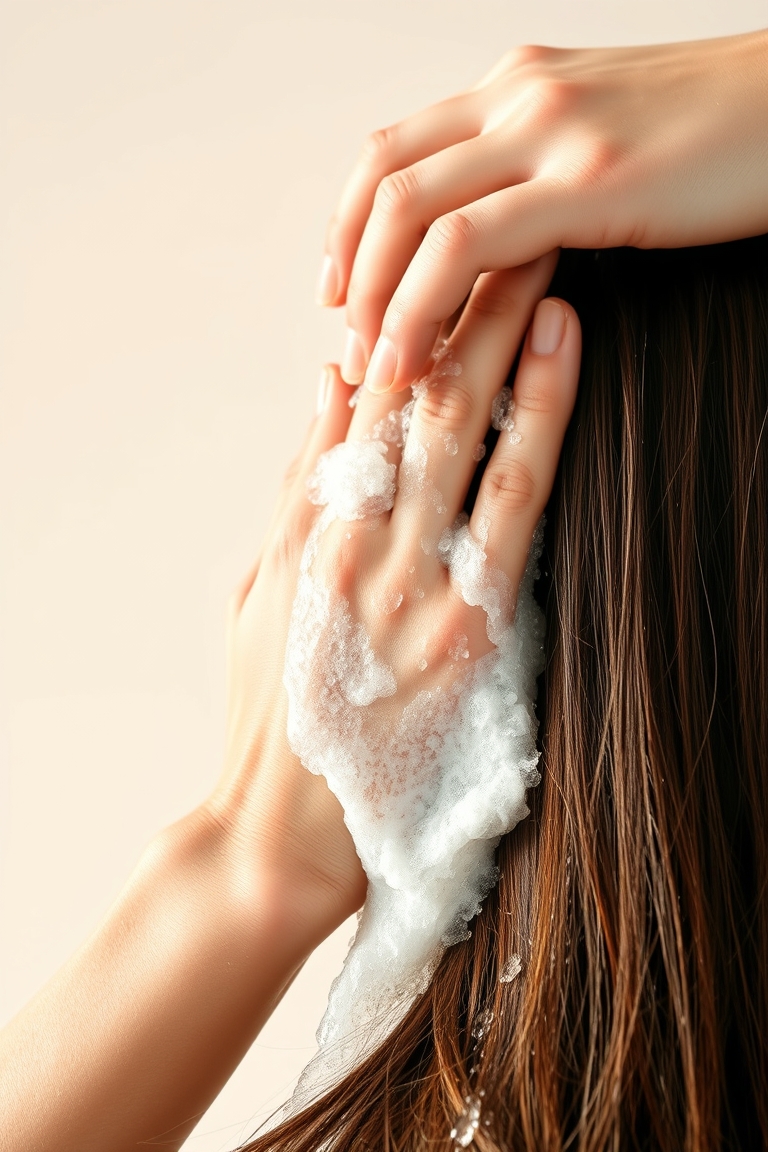
Why Hard Water Harms Your Hair
Hard water is defined as water that contains high concentrations of calcium and magnesium ions, which can react with the surfactants in regular shampoos. The result is a residue that is difficult to rinse out, especially if your shower water is consistently high in hardness. Over time, this residue can cause:
- Loss of natural luster
- Increased frizz and tangling
- Uneven distribution of hair products
- Potential scalp irritation due to trapped mineral salts
While the effects may be subtle at first, they compound with each wash, making it harder for your hair to recover its natural texture and strength.


Understanding Hard Water: Types & Causes
Hard water isn’t a single chemical; it’s a mixture of minerals that vary by region. In the United States, the U.S. Geological Survey classifies water hardness into three categories:
- Soft (0‑60 ppm) – Minimal mineral content; rarely causes buildup.
- Moderately Hard (61‑120 ppm) – Noticeable mineral presence; may require occasional clarifying.
- Hard (>120 ppm) – Significant mineral load; regular clarifying is recommended.
Common sources include limestone and chalk deposits in aquifers, industrial runoff, and municipal water treatment processes that add calcium and magnesium to balance pH levels.
How to Test Your Water Hardness
Before you invest in a clarifying shampoo, it’s useful to know exactly how hard your water is. A simple test kit available at most hardware stores can give you a quick reading. Follow these steps:
- Fill a clear glass bottle with tap water.
- Drop the test strips into the water and wait the recommended time (usually 30‑60 seconds).
- Match the color change to the chart provided to determine ppm.
- Record the result and compare it with the categories above.
Knowing your water hardness helps you choose the right product strength and usage frequency.
What Makes a Shampoo “Clarifying”
A clarifying shampoo is designed specifically to lift and remove buildup. Unlike everyday shampoos that cleanse gently to preserve the hair’s natural oils, clarifiers use stronger surfactants and often contain chelating agents that bind minerals and other residues. The goal is to leave the hair feeling clean, lightweight, and ready to absorb moisture and styling products.
Key Ingredients to Look For
- Sodium Lauryl Sulfate or Sodium Laureth Sulfate – potent cleansers that break down mineral deposits.
- Citric Acid or Other Chelating Agents – help sequester calcium and magnesium, making them easier to wash away.
- Glycerin or Panthenol – provide moisture after the intense cleansing action.
- Essential Oils (optional) – can add fragrance and additional scalp benefits.
How a Chelating Shampoo Works
Chelating shampoos contain compounds that form a complex with mineral ions. This complex is then rinsed away, preventing the minerals from re‑depositing on the hair shaft. The process is similar to how a sponge absorbs water; the chelating agent acts like the sponge, grabbing the unwanted minerals before they can bind to the hair.
Chelating vs. Traditional Cleansers
Traditional shampoos rely on surfactants to lift oils and dirt. They are effective for everyday use but may leave behind mineral residues in hard water conditions. Chelating shampoos, on the other hand, have a dual action: they cleanse and then actively remove mineral salts. This makes them ideal for periodic use—typically once a week or every two weeks—depending on water hardness and hair type.
Choosing the Best Clarifying Shampoo for Hard Water
When searching for the best clarifying shampoo for hard water, consider the following factors:
Factors to Consider
- Water Hardness Level – If your water is extremely hard, you may need a shampoo with a stronger chelating agent.
- Hair Type – Fine hair can become more fragile if over‑cleared; thicker or curly hair often tolerates more aggressive cleansing.
- Desired Frequency – Some people benefit from a weekly clarifying routine, while others find it too harsh and opt for bi‑weekly use.
- Post‑Wash Care – Follow up with a nourishing conditioner or leave‑in treatment to restore moisture that a clarifying shampoo can strip.
Top 4 Clarifying Shampoos for Hard Water
- Paul Mitchell Clarifying Shampoo Two – Features a balanced blend of sulfates and a mild citric acid complex. Ideal for all hair types, especially those with moderate to hard water.
- Living Proof Perfect Hair Day Clarifying Shampoo – Uses a proprietary Cleanser Complex that removes 99% of buildup while preserving natural oils. Great for color‑treated hair.
- Redken pH Balance Clarifying Shampoo – Contains a gentle pH‑balancing formula with chelating agents, making it suitable for sensitive scalps.
- OGX Coconut Water Shampoo – A more affordable option that still delivers a deep cleanse thanks to coconut-derived surfactants and a light chelating agent.
DIY Clarifying Shampoo Recipes
If you prefer a natural approach or want to avoid sulfates, you can create a simple clarifying rinse at home:
- Apple Cider Vinegar Rinse – Mix 1 cup of apple cider vinegar with 2 cups of water. Use as a final rinse after shampooing to dissolve mineral buildup.
- Baking Soda Scrub – Create a paste with 1 tsp baking soda and a few drops of water. Gently massage into wet hair for 2–3 minutes, then rinse thoroughly. Baking soda’s mild alkalinity helps lift minerals.
- Essential Oil Blend – Add a few drops of tea tree or peppermint oil to your regular shampoo to boost antimicrobial properties and help break down buildup.
Step‑by‑Step Use Guide
- Wet hair thoroughly with warm water.
- Apply a small amount of clarifying shampoo, focusing on the scalp and mid‑lengths.
- Gently massage for 30–45 seconds, allowing the lather to work on mineral buildup.
- Rinse with cool water to close the cuticle and lock in moisture.
- Follow with a conditioner—preferably a lightweight or clarifying‑friendly formula—and leave it on for 3–5 minutes.
- Finish with a light leave‑in or styling product, if desired.
Repeat this routine once a week if you live in an area with very hard water, or every two weeks if your water is only moderately hard. If you notice excessive dryness or breakage, reduce frequency to once a month.
Alternative Solutions: Water Softening & Shower Filters
While clarifying shampoos are effective, they’re not the only way to combat hard water damage. Consider these complementary strategies:
- Whole‑House Water Softener – A salt‑based ion exchange system that replaces calcium and magnesium ions with sodium, dramatically reducing mineral content.
- Showerhead Filters – Portable filters (e.g., Berkey, Aquasana) that attach directly to your showerhead. They capture minerals and chlorine, providing a softer wash.
- Water‑Conditioning Tablets – Additive tablets that dissolve in your shower water, forming a temporary chelating layer that prevents minerals from binding to hair.
Expert Tips: When and How to Use Clarifying Shampoo
- Don’t Over‑Clarify – Clarifying shampoos are designed for occasional use. Daily use can strip natural oils and weaken the hair shaft.
- Use After Styling Products – If you frequently use gels or sprays, a clarifying wash can remove residue that builds up between washes.
- Condition Immediately – The quick removal of minerals can leave hair porous. Apply a hydrating conditioner right after rinsing to seal the cuticle.
- Test a Small Section – If you have a sensitive scalp, start with a patch test to ensure the shampoo does not cause irritation.
- Dry Shampoo as a Backup – On days you skip a wash, use a dry shampoo to absorb excess oil and reduce the need for a clarifying wash.
Common Myths Debunked
- Myth: Clarifying shampoos are only for curly hair. – In fact, any hair type can benefit from periodic mineral removal, especially in hard water areas.
- Myth: Clarifying shampoos are harsh and will damage hair. – When used correctly, they clean without causing permanent damage. The key is to pair them with a good conditioner.
- Myth: You only need a clarifying shampoo if your hair looks greasy. – Mineral buildup can make hair feel heavy even if it doesn’t look oily. A clarifying wash can restore volume.
Precautions & Sensitive Scalp
People with eczema, psoriasis, or other scalp sensitivities should approach clarifying shampoos with caution. Look for sulfate‑free or “sulfate‑light” formulas that still contain chelating agents. If irritation occurs, discontinue use and consult a dermatologist.
Frequently Asked Questions
- What makes the best clarifying shampoo for hard water effective?
- The combination of strong surfactants and chelating agents allows it to lift and bind mineral deposits, leaving hair clean and receptive to moisture.
- How often should I use a clarifying shampoo?
- Typically once a week or every two weeks, depending on your water hardness and hair type. Overuse can lead to dryness.
- Can I use a clarifying shampoo on color‑treated hair?
- Yes, but use it sparingly and always follow with a color‑protecting conditioner to maintain vibrancy.
- Will clarifying shampoo remove all buildup?
- It removes most mineral and product buildup, but may not fully eliminate heavy styling product residues; a deep‑conditioning treatment can help.
- Is a clarifying shampoo safe for daily use?
- For most people, daily use can be too harsh; previously recommended usage is 1–2 times per month for mild hard water areas.
- Can I use a clarifying shampoo if I have fine hair?
- Fine hair can be more susceptible to breakage from aggressive cleansers. Choose a gentler clarifying formula and limit frequency to once a month.
- Does clarifying shampoo affect hair color?
- It can strip some color if used too often. Pair with a color‑protecting conditioner and avoid over‑clarifying.
For more personalized hair care guidance, you can explore resources at Automailify’s hair care guide. Additionally, a quick look at the Wikipedia entry on hard water can help you understand the mineral content in your local supply.
Leave a Reply