Best body lotion for keratosis pilaris is more than a moisturizing step; it’s a targeted approach to smoothing and soothing rough, bumpy skin. When you search for the best body lotion for keratosis pilaris, you’ll find that the key lies in a blend of gentle exfoliation, deep hydration, and a light, non‑greasy finish.
Understanding Keratosis Pilaris
Keratosis pilaris (KP) is a benign skin condition that manifests as small, rough bumps—often described as an “orange‑peel” texture—primarily on the upper arms, thighs, buttocks, and sometimes the face. The bumps result from keratin plugs blocking hair follicles, which can be exacerbated by dry skin, genetics, or hormonal changes.
While KP is harmless, it can be a cosmetic concern for many. A well‑chosen body lotion can reduce the appearance of bumps, improve skin feel, and prevent new plugs from forming.

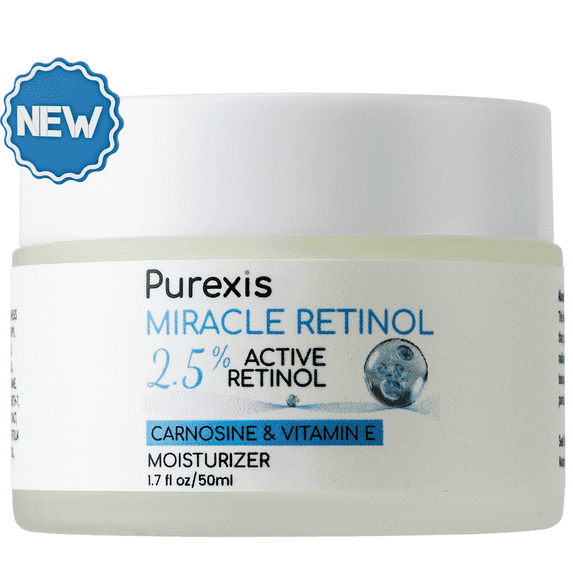

Best Body Lotion for Keratosis Pilaris: What to Look For
Choosing the right body lotion for keratosis pilaris starts with understanding the skin’s needs. The condition is marked by tiny clogs that form a rough, orange‑peel texture. A lotion that can gently shed these clogs and lock in moisture is essential. When you read about the best body lotion for keratosis pilaris, you’ll notice that most recommendations focus on three pillars: exfoliating acids, humectants, and occlusive agents. Each pillar plays a role in softening bumps and preventing new ones from forming.
Exfoliating Acids: Light Chemical Resurfacing
Alpha‑hydroxy acids (AHAs) such as lactic acid and glycolic acid dissolve the bonds between dead skin cells. They’re gentle enough for daily use, especially when the concentration is 5–10 %. Beta‑hydroxy acids (BHAs) like salicylic acid penetrate deeper into the follicle, dissolving keratin plugs directly. A balanced formula that contains both AHA and BHA can accelerate bump removal while minimizing irritation.
Humectants: The Moisture Lock
Humectants such as glycerin, hyaluronic acid, and panthenol draw water into the epidermis. Adequate hydration is crucial for a smooth skin surface; dehydrated skin tends to accentuate the bumps associated with keratosis pilaris. A lotion that contains at least two humectants can maintain a supple, less rough feel.
Occlusive Agents: Seal the Moisture
Light occlusives like dimethicone or ceramides create a protective barrier that prevents transepidermal water loss. While heavy occlusives can feel greasy, a semi‑occlusive layer helps the skin retain the benefits of the active ingredients. Many of the best body lotions for keratosis pilaris strike a balance between coverage and comfort.
Soothing Botanicals and Barrier Support
Chamomile, calendula, and allantoin calm residual irritation. Niacinamide supports the skin barrier, reduces inflammation, and can help fade post‑inflammatory hyperpigmentation that sometimes accompanies KP.
Step‑by‑Step Routine for Maximum Impact
Consistency and technique are as important as the formula. Below is a proven routine that maximizes the benefits of the best body lotion for keratosis pilaris.
- Cleanse – Use a mild, fragrance‑free cleanser. Avoid hot water; lukewarm water is best to preserve the skin’s natural oils.
- Exfoliate (1–2 times per week) – Apply a gentle exfoliating lotion or a 5–10 % lactic acid wash. Massage in circular motions for 30 seconds, then rinse thoroughly.
- Pat Dry – Gently pat the skin with a towel; do not rub, as friction can worsen KP.
- Apply the Best Body Lotion – While the skin is still damp, dispense a generous amount onto the affected areas. Focus on elbows, knees, thighs, and buttocks.
- Massage In – Use upward strokes and gentle pressure to help the lotion penetrate the bumps. Spend an extra minute on the most pronounced areas.
- Let It Absorb – Allow the lotion to sit for 1–2 minutes before dressing. This ensures maximum moisture retention.
- Daily Maintenance – Repeat steps 3–6 daily. Consistency over 6–8 weeks is typically required for noticeable improvement.
Common Mistakes to Avoid
- Skipping the Shower – Bumps are more evident on damp skin; cleaning first helps the lotion spread evenly.
- Using Heavy, Greasy Creams – They can trap sweat and create a breeding ground for irritation.
- Neglecting to Massage – Without gentle pressure, the lotion may sit on top of the bumps instead of beneath them.
- Over‑Exfoliating – Too much acid can compromise the skin barrier, leading to increased roughness.
- Inconsistent Use – Skipping days breaks the routine and delays results.
Top Formulations: What Makes a Good Body Lotion for Keratosis Pilaris?
When you sift through the best body lotion for keratosis pilaris options, you’ll find that the most effective ones share a few common attributes. They are fragrance‑free, non‑comedogenic, and free of alcohol, which can dry out the skin further. The texture should be a light, non‑greasy cream that spreads easily and dries quickly.
Many of the top formulations also incorporate soothing botanicals such as chamomile or calendula, which can calm any residual irritation. A small amount of niacinamide is another bonus—it can help strengthen the skin barrier and reduce redness.
Here are a few standout products that consistently receive high marks from dermatologists and users alike:
- CeraVe SA Lotion – Contains 2.5 % salicylic acid, ceramides, and hyaluronic acid. It offers gentle exfoliation while restoring the skin barrier.
- Eucerin Advanced Repair Lotion – Features 5 % urea, ceramides, and glycerin. It’s excellent for deep hydration and keratin softening.
- AmLactin Daily Moisturizing Lotion – Contains 12 % lactic acid, glycerin, and ceramides. It’s specifically formulated for rough, dry skin.
- La Roche‑Posay Lipikar Balm AP+ – Combines niacinamide, shea butter, and glycerin for barrier support and soothing.
- First Aid Beauty Ultra Repair Cream – Contains colloidal oatmeal, ceramides, and shea butter for intense hydration and calming.
When you search for the best body lotion for keratosis pilaris, keep in mind that consistency is key. A product that works for one person may not work for another, so it’s wise to test a small patch first. If you notice any itching or redness, discontinue use and consult a dermatologist.
Lifestyle and Diet Tips to Complement Your Skincare Routine
While topical treatments are essential, certain lifestyle choices can amplify their effectiveness:
- Hydration – Drink at least 8 glasses of water daily to support skin moisture.
- Balanced Diet – Incorporate omega‑3 fatty acids (salmon, walnuts) and antioxidants (berries, leafy greens) to support skin health.
- Gentle Exercise – Regular movement improves circulation, aiding in the removal of keratin plugs.
- Avoid Tight Clothing – Restrictive fabrics can trap sweat and irritate the skin.
- Sun Protection – UV exposure can worsen KP; use a broad‑spectrum SPF 30+ sunscreen daily.
When to Seek Professional Help
If you’ve tried multiple products and routines without improvement, or if your KP is accompanied by redness, itching, or pain, it’s time to consult a dermatologist. They may recommend prescription‑strength topical retinoids, stronger chemical peels, or laser therapy.
FAQs About the Best Body Lotion for Keratosis Pilaris
1. Does the best body lotion for keratosis pilaris work overnight?
While a good lotion can provide immediate softness, the visible reduction of bumps typically requires consistent use over several weeks. Patience and regular application are essential.
2. Can I use the best body lotion for keratosis pilaris on my face?
Face skin is thinner and more delicate. If you wish to treat facial bumps, look for a product specifically formulated for the face, or consult a professional.
3. Is it safe to combine the best body lotion for keratosis pilaris with other topical treatments?
Yes, but apply them in a sequence that prevents overlap of active ingredients. For example, use a gentle exfoliating lotion first, then a moisturizer. Always perform a patch test.
4. Where can I learn more about keratosis pilaris?
For a comprehensive overview, visit Keratosis pilaris on Wikipedia. It offers detailed background on the condition and its management.
5. How does the best body lotion for keratosis pilaris compare to a regular body moisturizer?
Regular moisturizers often lack exfoliating acids or targeted humectants, making them less effective for bump reduction. The best body lotion for keratosis pilaris is specifically formulated to address the texture and moisture needs of affected skin.
For more skincare insights and personalized recommendations, visit Automailify.
Leave a Reply