For years I avoided retinoids altogether. Every time I tried a new serum, my skin would flare—red, itchy, and sometimes even blistered. I thought the anti‑aging gold standard was simply out of reach for me. Then, after months of trial and error, I realized the culprit wasn’t the retinol itself but the way it was delivered and the surrounding ingredients. The lesson was simple: the right formulation can make all the difference for sensitive skin.
Understanding the Retinoid Family for Sensitive Types
Retinol is just one member of the Vitamin A family. Each derivative has a different conversion pathway to the active retinoic acid, which explains the wide range of potencies and irritation profiles. For sensitive skin, the goal is to find a product that accelerates cell turnover without compromising the barrier.
- Retinyl Palmitate: A very mild precursor that requires several enzymatic steps before becoming active. It’s ideal for beginners or those with reactive complexions.
- Retinol: The most common OTC option. Moderately potent, but its irritation potential rises sharply if the formula isn’t buffered.
- Retinaldehyde (Retinal): One step closer to retinoic acid than retinol, so it works faster but can be more aggressive.
What Makes a Retinol “Gentle”?
A low‑percent concentration alone isn’t enough. The vehicle—how the retinol is delivered—plays a pivotal role. Encapsulation, for instance, wraps the active in a lipid or polymer shell, releasing it gradually over several hours. This steady release reduces the initial shock that often leads to peeling and redness.

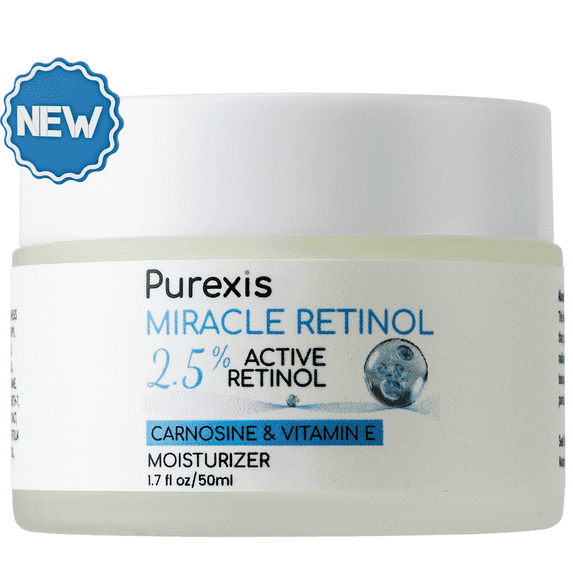

Equally important are the supporting ingredients. Look for serums that pair retinol with barrier‑strengtheners like ceramides, hyaluronic acid, or centella asiatica. These act as a safety net, keeping the skin hydrated and resilient while the retinol works its magic.
The Slow‑and‑Steady Method for Sensitive Skin
Here’s a step‑by‑step routine that has helped me and many readers transition to retinol without the dreaded purge.
1. Patch Test
Never apply a new product all over your face. Test a pea‑sized amount on your inner forearm or behind your ear for 48 hours. If you see intense redness or a burning sensation, the formula is too strong.
2. Sandwich Technique
Layering creates a buffer that slows absorption without diluting the active. The order is:
- Thin layer of fragrance‑free moisturizer.
- Pea‑sized drop of retinol serum.
- Another light layer of moisturizer.
3. Frequency Scaling
Begin with a gradual build‑up:
- Weeks 1‑2: Once a week.
- Weeks 3‑4: Twice a week.
- Week 5 onward: Every other night, monitoring for any signs of irritation.
Common Mistakes That Trigger Irritation
Even the best formula can backfire if misapplied. Here are the pitfalls to avoid:
- Applying to damp skin: Moisture increases penetration, which can overwhelm sensitive skin. Wait 15–20 minutes after cleansing before applying.
- Mixing actives: Combine retinol with Vitamin C, AHAs, or BHAs on the same night can cause chemical burns. Use them on alternate days.
- Skipping sunscreen: Retinol heightens photosensitivity. An SPF 30+ shield is non‑negotiable.
Alternative Options: Bakuchiol and Plant‑Based Retinoids
For those who still react to even the gentlest retinol, Bakuchiol offers a comparable collagen‑stimulating effect without the same level of irritation. It’s stable in sunlight and doesn’t cause the classic peeling. Some serums combine a low dose of retinol with Bakuchiol to balance potency and comfort.
Purging vs. Irritation: How to Tell the Difference
Retinol speeds up cell turnover, so a brief surge of breakouts—especially in typical acne zones—is normal and usually resolves within a week. Redness, tightness, or breakouts in unusual areas signal irritation. If irritation persists, pause actives for two weeks and rebuild the barrier with hydrating, soothing products.
Long‑Term Expectations and Maintenance
Retinol is a marathon, not a sprint. Visible improvements—smoother texture, reduced fine lines, and a more even tone—typically appear after 12–24 weeks of consistent use. Once you’re comfortable, you can experiment with higher concentrations, but always proceed with caution. Many users find that a steady low‑dose routine delivers the best balance of efficacy and comfort.
Daily Checklist for Sensitive Skin Retinol Users
- Morning: Gentle cleanser → Hyaluronic acid → Barrier‑supporting moisturizer → Broad‑spectrum SPF 30+.
- Evening (Retinol Night): Double cleanse → Wait 20 minutes → Buffer moisturizer → Retinol serum → Top‑coat moisturizer.
- Evening (Recovery Night): Double cleanse → Soothing serum → Rich barrier cream.
Final Thoughts on Choosing Your Product
The quest for the best retinol serum for sensitive skin ends when you stop chasing the strongest formula and start listening to your skin’s signals. Prioritize barrier‑supporting ingredients, smart delivery systems, and a patient, step‑wise introduction. If a product triggers persistent inflammation, it’s simply not right for you—regardless of glowing reviews.
Frequently Asked Questions
How do I find the best retinol serum for sensitive skin?
Seek out serums that use encapsulated retinol or retinyl palmitate. Look for soothing additives like ceramides, hyaluronic acid, or centella asiatica, and avoid fragrances or high‑level alcohols.
Can I use a gentle retinol every night?
Not for most sensitive skins. A cycle of two nights on, two nights off usually preserves the barrier while still delivering benefits.
What should I do if my skin starts peeling?
Stop the retinol immediately. Focus on hydration and barrier repair with panthenol or ceramide‑rich creams. Reintroduce the serum slowly using the sandwich technique once the skin has calmed.
Is a low‑strength retinol as effective as a high‑strength one?
Yes, but it takes longer. Consistency beats intensity; a low‑dose formula applied steadily for months yields safer, more sustainable results.
Can I use retinol if I have rosacea?
Consult a dermatologist first. If cleared, a very low‑strength, encapsulated formula or a Bakuchiol alternative is typically the safest route.
For further reading, see related references on Wikipedia.
Leave a Reply